Who is Andrew?
Engineer, entrepreneur, painter.
This page is just about what I've been up to. Life's been interesting. I'm not sharing it to brag. It's only that I've been thinking about a lot of things for a long while, and it's an adventure when you build everything yourself.Andrew
Andrew Conru is an engineer and painter in Seattle and the founder of the Conru Art Foundation. He grew up on a small farm in northern Indiana and wrote his first games at 12. He earned a Stanford Ph.D. on people designing alongside teams of software agents, put one of the first dating sites on the web live in 1994, and founded FriendFinder in 1996. He paid robots to paint, then picked up the brush himself. Today he puts it all into art in Seattle.
- 1980 At 12, a Commodore VIC-20 and his first games.
- 1994 WebPersonals, his dating site, goes live in late October.
- 1996 He starts FriendFinder.
- 1997 Stanford Ph.D.: one person designing with a team of software agents.
- 2007 He sells control of FriendFinder, at 39.
- 2015 A painting a day for a year. And RobotArt, for robots that paint.
- 2022 The Conru Art Foundation, in Seattle.
- 2025 The Seattle Prize's founding fellows arrive at the Occidental.
- 2026 The Coliseum opens again, free, for art; a second class of fellows arrives.
Films
Transcript: Andrew and AI
0:00I'm 57 and I've been programming since I was 11. And if you print out everything that I've coded, over a million lines of code, it goes about four miles long. And I was proud of my ability. I'm a speed coder. I can code super fast in that. And that identity is gone because now I can just chat. Anybody can chat with AI and it can generate work code that's better, faster than what I can do.
0:24And I've kind of come to grips with that. But fortunately, at 57, I'm kind of to a point where I can do some other things. And I'm not like someone who has a mortgage to pay and children in college and all this other stuff going on. And those are the ones that are really challenged.
0:39And so many people, millions are going to be losing their job due to it being better, faster, cheaper to have AI involved than the actual creative human. And my heart goes out to this. It's an avalanche coming. So we have to be prepared for that.
0:54But I know that when I start talking about AI to artists, the hate level goes up to level 9 or 10 here. Because it's basically how dare you go to the other side of the dark. You're stealing from them. Basically, AI is stealing their self-worth. Because if AI can do better, faster, cheaper than what you've done, then your whole identity crumbles away and you're left with nothing. And that's the most painful thing to have.
1:25Whenever I think of AI, I don't think of AI as just a bunch of ones and zeros and data and all of this. I think it is a distillation of 40,000 years of artistry. Because when an artist or even just a non-artist has an idea, I'd love to have a painting of children fighting over a ball. Well, you have to type it in. You have to say, you know, what feelings you want to get. And you have to rework that. But you're summoning 40,000 years of artistry as a teammate to kind of together come up with some images.
1:57I think people, they want to have an emotional human connection with the artists involved. And AI is personless. I think art becomes art when it resonates in the human that receives it. And then regardless of how it was generated or how it was created, it's ultimately the relationship with the viewer.
More of his videos on YouTube: his channel, and the playlists Founder / Tech / AI and Robot Art. Films about the foundation and its places: conru.com/watch.
In short
- Lives in
- Seattle, Washington
- Known as
- Internet pioneer and founder of the Conru Art Foundation
- Now
- Runs the Conru Art Foundation full time, paints in oil, and writes the code for the foundation's websites himself, working with AI agents
- Education
- Mechanical engineering and economics, Rose-Hulman Institute of Technology; master's, University of Minnesota; Ph.D. in Mechanical Engineering, Stanford University, 1997
- Built
- WebPersonals (1994), FriendFinder (1996), RobotArt (2015 to 2018), the Conru Art Foundation (2022)
- Works by
- Three values: Beauty, Truth and Love
His story
Indiana, from 1980Learning to code
He grew up on a small farm in northern Indiana. At eight he sold surplus vegetables from two buckets hanging off his bike, and learned that “people didn't want a five-pound zucchini no matter how impressed I was about the size… business is all about the needs of the customer.”
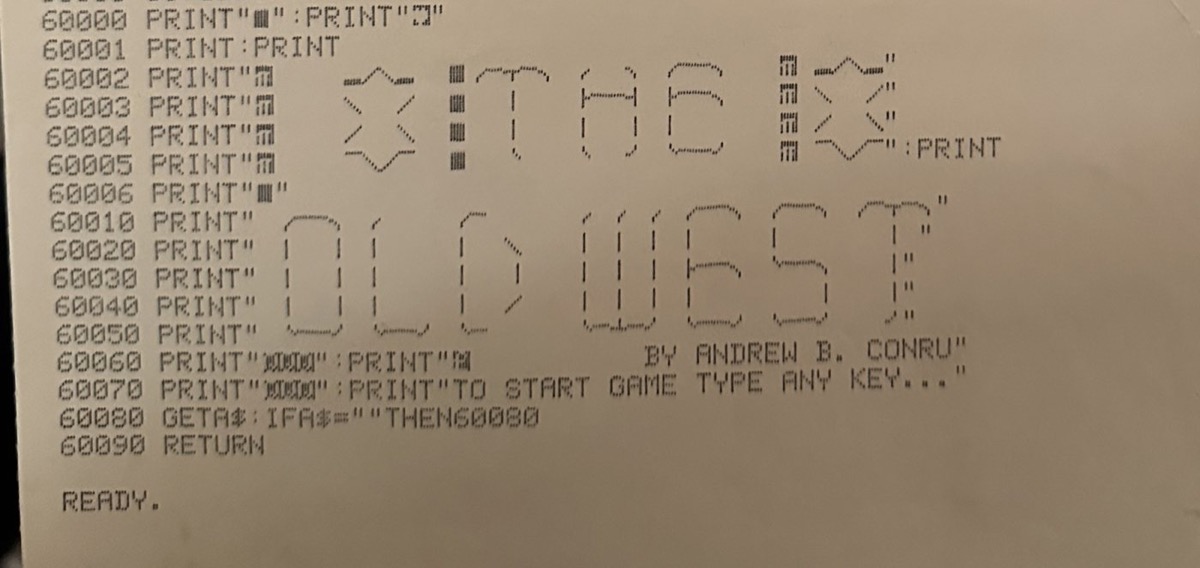
In 1980, at 12, he got a Commodore VIC-20 with 3K of memory. “There was something fantastic about typing a few characters and making the living room TV explode with text.” He liked to write games “that could beat me.” At 16 he wrote The Old West, a trail game about guiding a hundred gold prospectors from New York City to a place called Miner's City. What survives is a printout, eighteen sheets of fanfold paper. In 2026 AI agents typed it back in, rebuilt it to run in a browser and played it thousands of times. Play it here.
In high school he put the new IBM PCs to work on Valentine's Day. For a dollar, students answered a multiple-choice questionnaire, and his program sorted everyone “by the most matching responses.” The results went into lockers. It was his first matchmaking program.
Rose-Hulman, Minnesota, StanfordThe engineer
He studied mechanical engineering and economics at Rose-Hulman and earned a master's at the University of Minnesota, where he wrote the control software for a hydraulic robot arm worn by its operator. “My job was to write it and make sure it wouldn't accidentally rip a person's arm off. I had the obvious incentive to get it right, as I was the one who had to test it.” On the side he wrote programs for floppy disks: a factory simulator, a biofeedback program for psychologists, a robot simulator. They run again, below. “Thirty-six thousand lines of code: that's not bad for part time.”
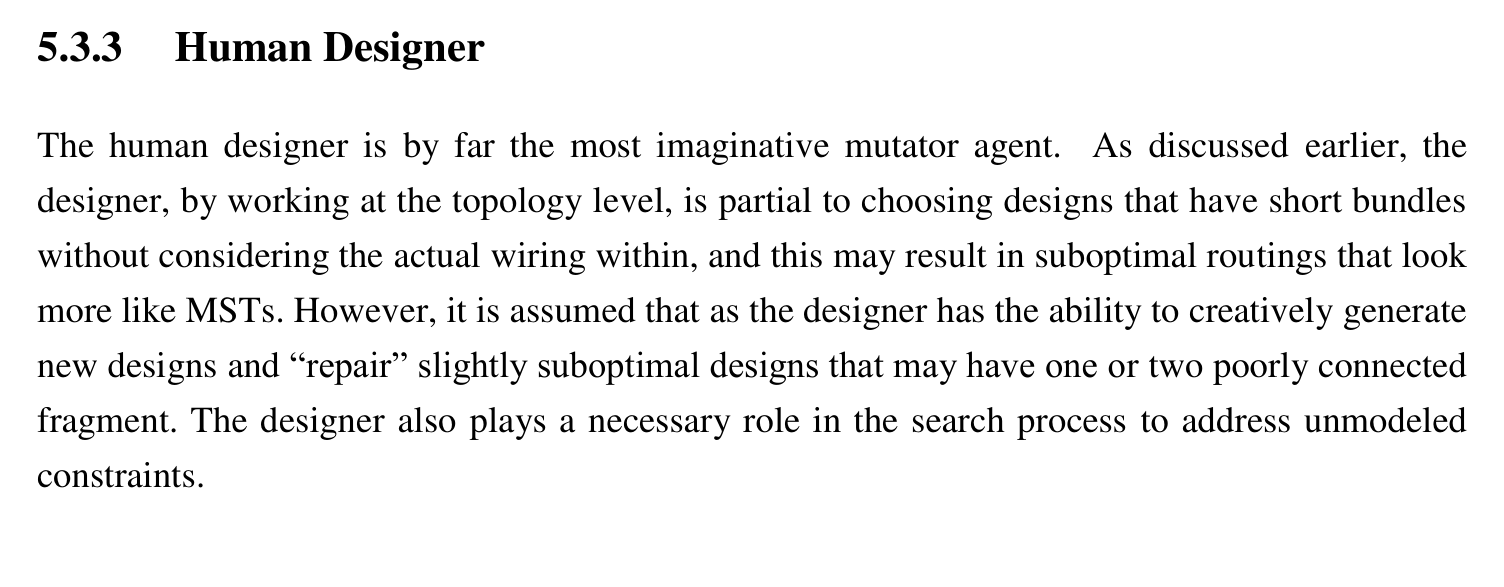
At Stanford he worked under Mark Cutkosky at the Center for Design Research and spent half his time in Lockheed's AI lab. His Ph.D. took on a stubborn, real problem: routing the thick bundles of wire called cable harnesses through the cramped insides of aircraft. His answer was a team. Three kinds of software agents, creators, mutators and combinors, traded candidate designs through a shared pool, and a person worked alongside them in a live 3D view. The system was called CALIBER, and designers at Lockheed tried it on real projects.
“The human designer is by far the most imaginative mutator agent.”His Stanford thesis, section 5.3.3, February 1997
1984 to 1997His programs, running
Six of his early programs, from a 1984 trail game to his 1997 Stanford thesis, running right here in the page. The originals run unmodified in an emulator; the others were rebuilt from his own code. Open one, then press play.
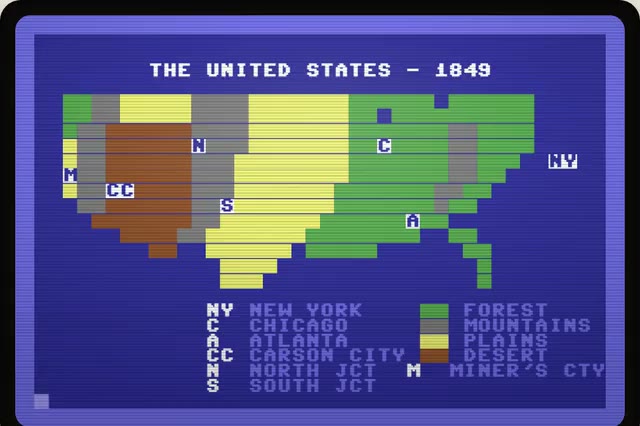
The Old West (1984) A trail game he wrote at 16. In 2026 AI agents typed it back in, played it thousands of times and found his bugs. You can play it. Rebuilt from his 1984 printout
See the code
You are hired to guide a hundred gold prospectors from New York City to a place called Miner's City. You buy wagons, oxen, rifles and food at the general store, choose a route on a map of the United States drawn in block characters, and try to keep everyone alive.
How it worked A new bug list every morning.
It ran on a Commodore 64, the computer that came after the VIC-20 and could save programs to cassette tape with high-pitched squeals. Every morning there was a new list of bugs to fix.
It turned out to be a lot like a game he had never seen, The Oregon Trail, “which I only learned about much later in college.” As a kid without money for video games, he had asked himself what game he would want to write, and wrote one about going out West. Forty years later he lives in Seattle. “And I ended up literally on the Oregon Trail out here. Go figure.”
See all the code Eighteen sheets of fanfold paper, and a gunshot in six lines of BASIC.
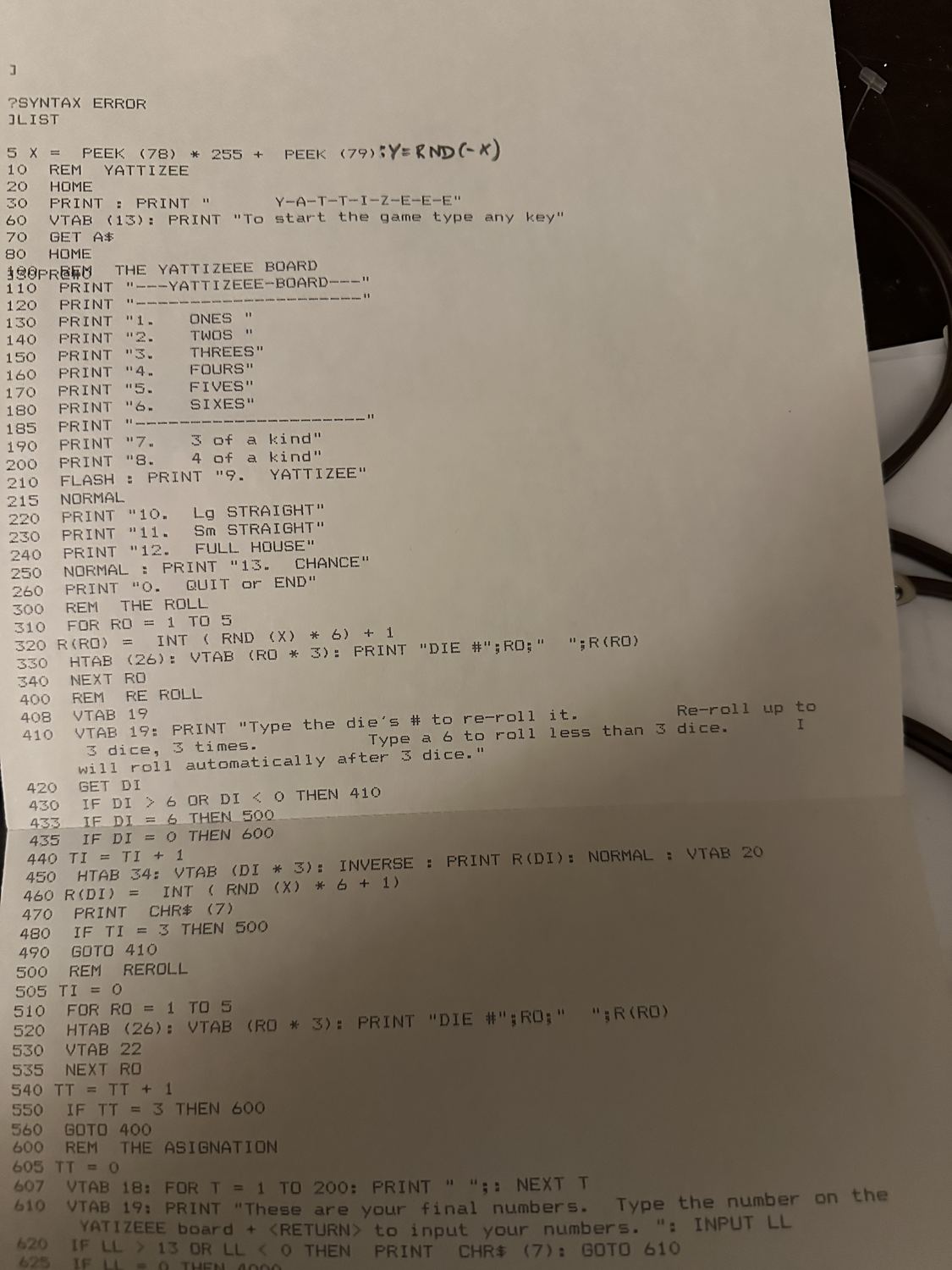
What survives is a printout: eighteen sheets of fanfold dot-matrix paper, made by typing OPEN3,4:CMD3:LIST to send the program to the printer.
50100 REM SHOTING SOUND
50110 V=54296:W=54276:H=54273:L=54272:AP=54277
50120 FORII=1TOTY
50124 PP=INT(RND(1)*15)+10
50130 FORQX=15TO0STEP-1.5:POKEV,QX:POKEW,129:POKEAP,15:POKEH,40:POKEL,200:NEXT
50135 FOROO=1TOPP:NEXTOO
50140 POKEW,0:POKEAP,0:NEXTII
50150 RETURN
The gunshot: a burst of noise from the Commodore's sound chip, fading out, repeated a random number of times. Lines 50100 to 50150, spelling as printed.
Forty years later, the machines read it back A chatbot failed twice. Then an agent named the computer from one line: POKE 53280.
In May 2025 Andrew photographed the pages and asked an AI chatbot to turn them back into a game. The web version it produced wouldn't start. Twice.
In June 2026 he tried again with a coding agent: “OCR it and figure out what language it is in and what computer it ran on.” It transcribed all eighteen sheets and named the machine from its fingerprints: POKE 53280 sets a Commodore 64's border colour. Then it rebuilt the game to run in a web browser.
Andrew asked for stats, “because frankly, I never got a chance to play it enough times to know what the chances were.” So the AI played it. Thousands of times. What wins, according to the bots: “coats and blankets before food, never run from a fight, Chicago route, full speed, take the deals, restock food at every town.” They also found two prompts that can ask the same question forever. The agent's verdict: “a real 1984 bug report, 42 years late.”
Play it His 1984 program on a Commodore BASIC interpreter, in your browser.
Open it in its own tab ↗ · Tap or click the screen, then type. Most menus take a single key; numbers need Enter. The bots' advice: coats and blankets before food, and never run from a fight. Every line of the game logic comes from the 1984 listing; it plays with a nine-line patch, because under the original rules no simulated party ever reached Miner's City.
Easy-Flow (1990 to 1992) His factory-floor simulator, from his summer job at General Motors. His own source code, ported line by line
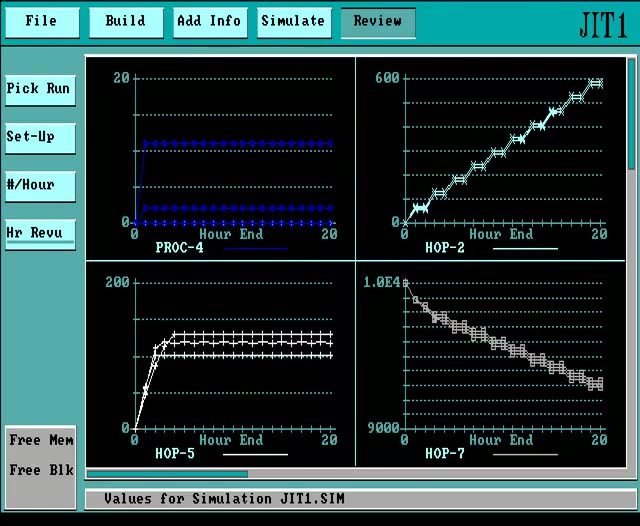
His factory-floor simulator, from his summer job at General Motors. Not an emulator this time: both executables on his floppies were zeroed, so this is his own Pascal source, ported line by line to JavaScript; it matches his own run log for the machines that never broke down.
Play it here Loads when you open it.
OmniTron Bio-FeedBack v2.0 (1990) Biofeedback software for psychologists, which he wrote and sold. Original program, running in an emulator
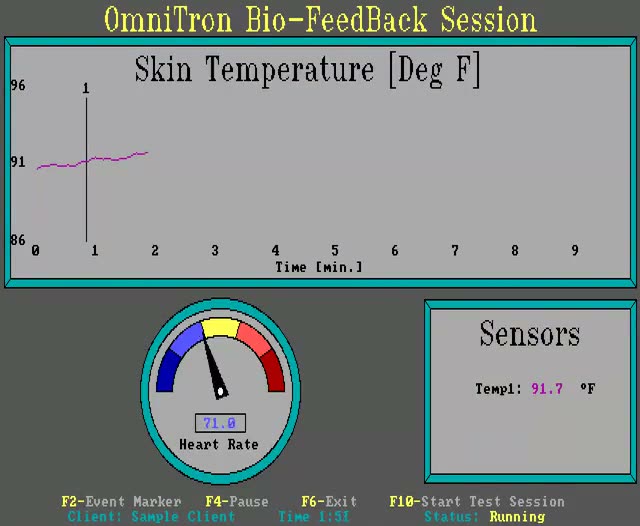
Biofeedback software for psychologists, which he wrote and sold: client files, sensors shown as graphs or dials, timed sessions, printed reports. His original OMNI91.EXE, unmodified, in a DOS emulator, with a simulated sensor board and a fictional client.
Play it here Loads when you open it.
Robot Simulation Program v1.0 (1990) Robot arms, joint by joint, as 3D stick figures you can teach. Original program, running in an emulator
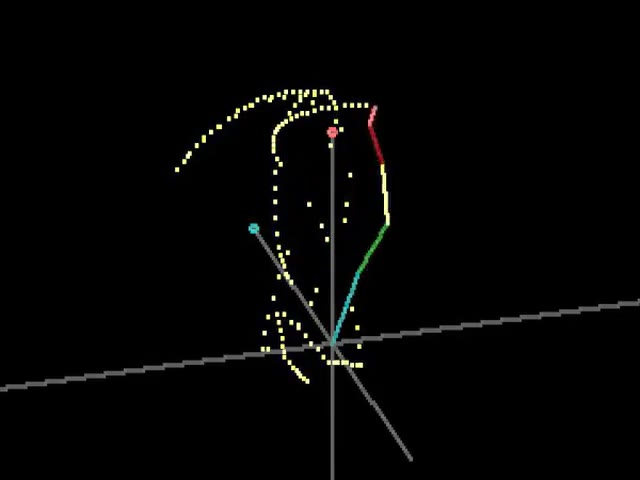
Robot arms, joint by joint, as 3D stick figures you can teach. His original ROBO1.EXE, unmodified, in a DOS emulator: an arm replaying taught positions, inverse kinematics and a new arm built in his database. “The Robot Simulator is not copy protected.”
Play it here Loads when you open it.
Graphical Image Processing System v1.1 (1990) A computer-vision class project: filters and an edge-finder, run on the Mona Lisa. Original program, running in an emulator
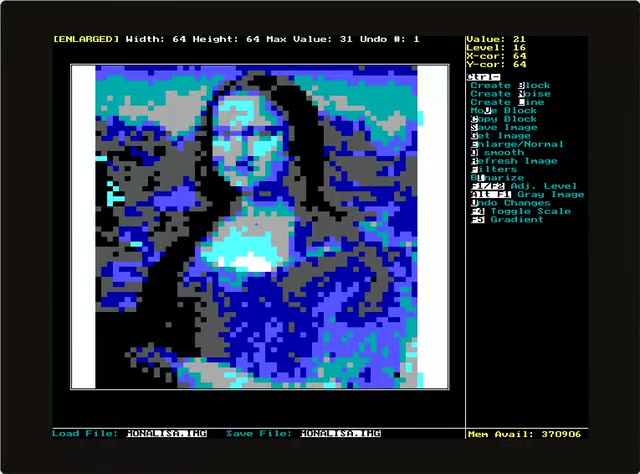
A computer-vision class project with David Frampton and Allen Hackney: noise, smoothing, median and average filters, gray levels, and a gradient that finds the edges. Their original program, unmodified, finding the edges in the Mona Lisa.
Play it here Loads when you open it.
CALIBER (1993 to 1997) His Stanford thesis: one person and a team of software agents routing aircraft cable harnesses. Rebuilt from his thesis, plus his 1992 original in an emulator
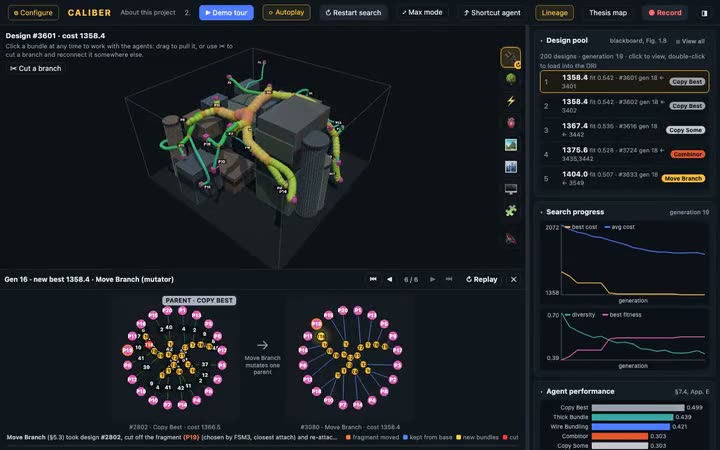
His Stanford thesis system: one human designer and a team of software agents routing aircraft cable harnesses. CALIBER's own source doesn't survive, so this is a 2026 browser rebuild from the thesis, plus its 1992 seed, CONFIG2.EXE, running as the original.
Play it here Loads when you open it.
Palo Alto, 1993 to 1996The web arrives
He saw the web for the first time in 1993 and started building websites for a living. People phoning his new company, Internet Media Services, would ask, “Hello, is this the Internet?” It was the only company in the Yellow Pages with “Internet” in its name.
By July 1994 his Bay Area restaurant guide, later Dine.com, let people sign in and post reviews. In late October 1994, still a graduate student, he put WebPersonals live, with same-sex categories from its first day.
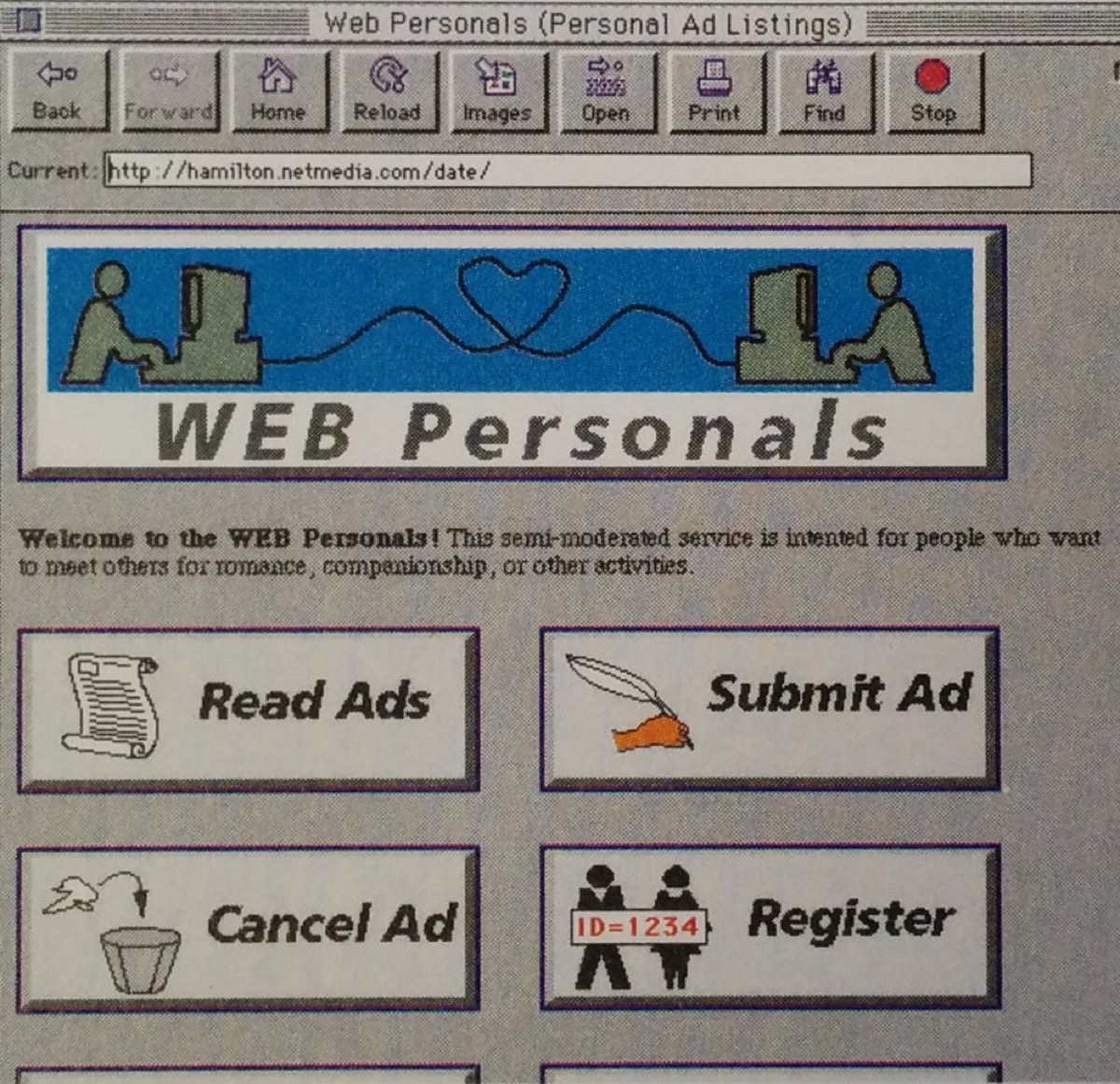
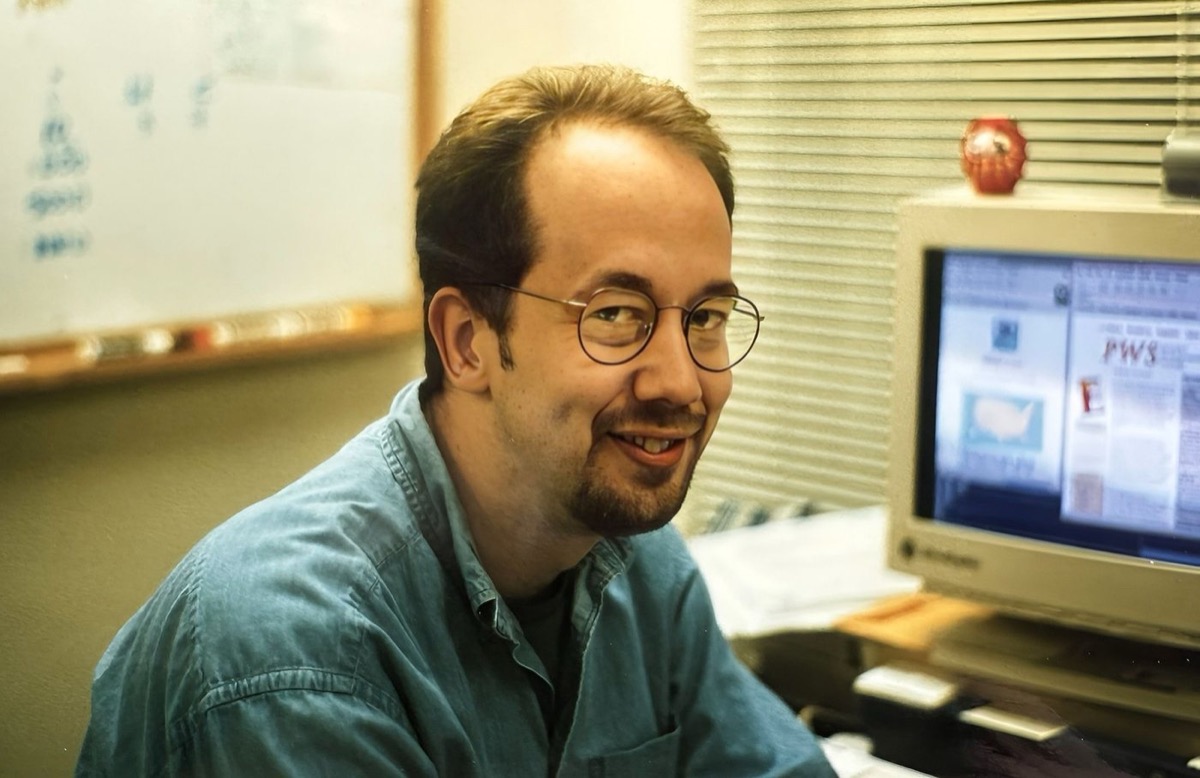
Early web servers forgot you on every page. His fix, PWS (“Personal Web Site”), remembered a visitor from page to page. In 1995 he co-founded Focalink, an early banner-ad service: sites pasted in “just three lines of HTML code” and it handled the rest.
Mountain View and Palo Alto, 1996 to 2007FriendFinder
In February 1996 he and Tony Mizukami started FriendFinder in a 220-square-foot office on Castro Street in Mountain View. It launched on May 23, 1996, running on his own PWS, and grew into FriendFinder Networks, with hundreds of millions of registrations across its network. He wrote much of the code himself and ran the company like an engineer: a new feature live every two weeks, and the numbers checked “first thing every morning.”
One morning early in 1998 every web server went dark. The member data sat on one hard drive, and it was corrupted; the last backup was months old. He drove to the data center, typed the repair command and watched the messages scroll for fourteen hours, composing a bad-news speech for the staff. Then “a blinking prompt appeared on the monitor.” The drive opened. “I'd probably aged about ten years.”
In December 2007, at 39, he sold control of the company. “So at 39, I decided to sell the company and walk away. And the next week I'm at the supermarket, and the only question that I can answer is paper or plastic.” He has since returned to FriendFinder, where he is rebuilding its software. FriendFinder is a separate company from the Conru Art Foundation.
2008 to 2014Learning to give
For the next few years he built small things, honest tries at what he calls practice philanthropy: Monastery.com (2010), where people asked “monks” their life questions; CityRoof.org (2012), an app to connect homeless people with each other and with local services; and StudyOnline.com (2013). Before he built CityRoof, he stood at a highway exit with a cardboard sign for a while, begging, to understand homelessness a little better. Through Compute.org, a nonprofit he started in 2010, he gave grants to ideas that profit-driven investors overlooked. They taught him how hard it is to give well. On January 1, 2008, he had written a list of things to do with his life. One line was “have a commune for artists.”
2015 onwardLearning to paint
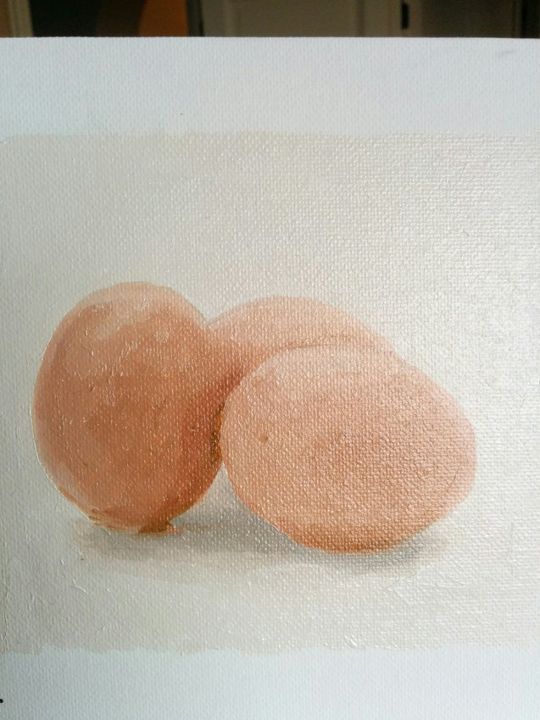
In 2015 a friend told him: “Learn something worth remembering.” He picked painting. He had taken a few classes, but he is mostly self-taught, largely from YouTube. For two years he painted full time: one painting a day in 2015, each posted on his blog, DailyOil, then one a week in 2016. “I'm not just funding art. I make it. … Some of them are terrible. That's the point.” Here they are, in order.
2015, the first days
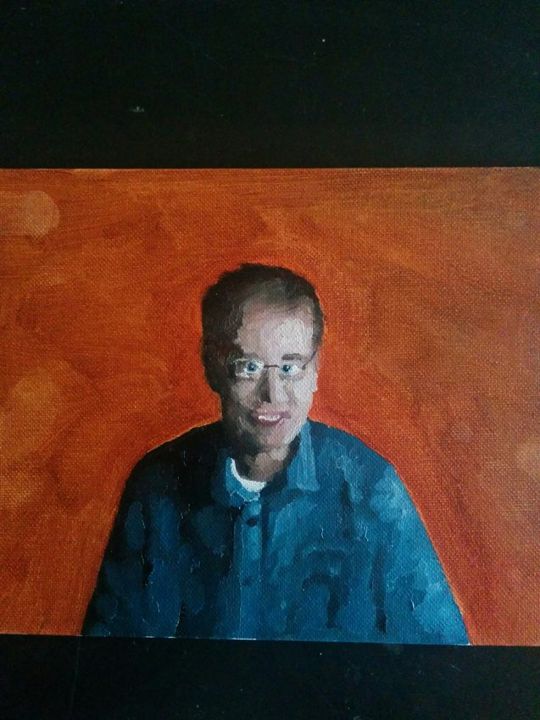
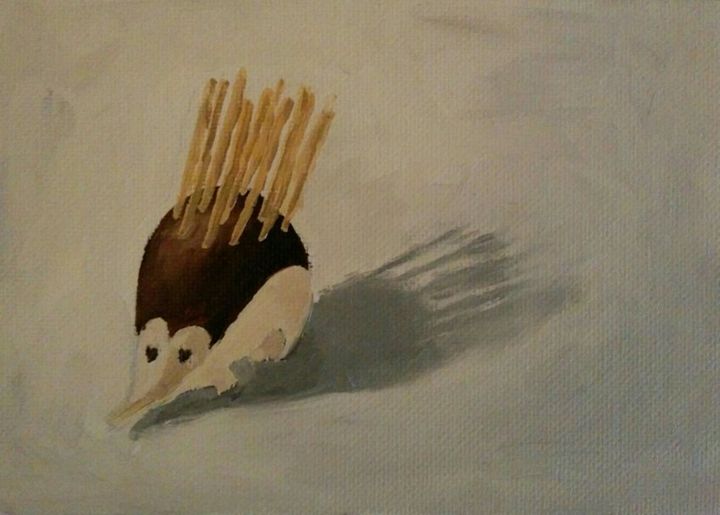
2015, one a day
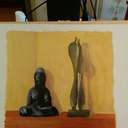
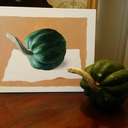
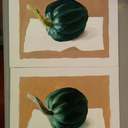
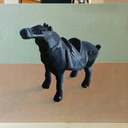
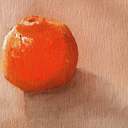
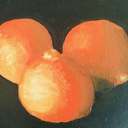
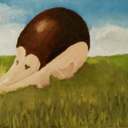
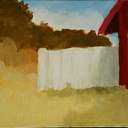
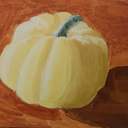
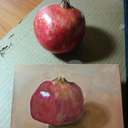
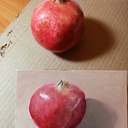
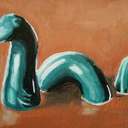
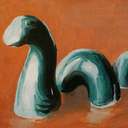
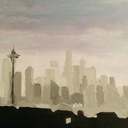
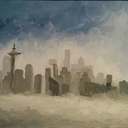

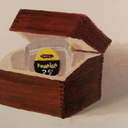
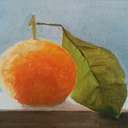

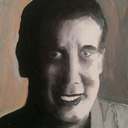
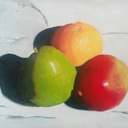
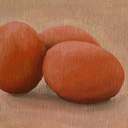
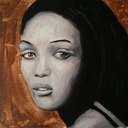
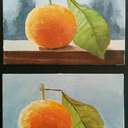

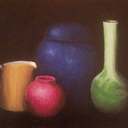
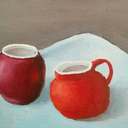
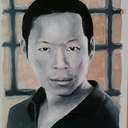
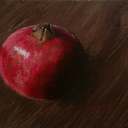
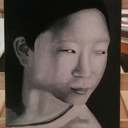
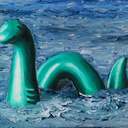
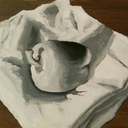


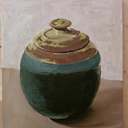
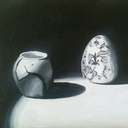
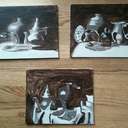
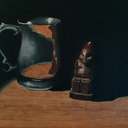
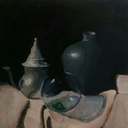
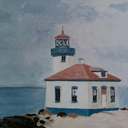
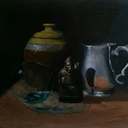
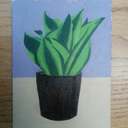
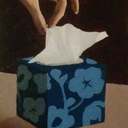
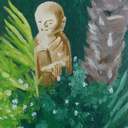
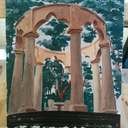
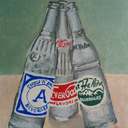
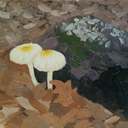
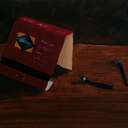
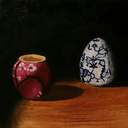
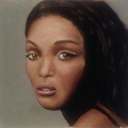
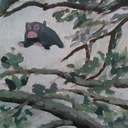
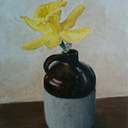
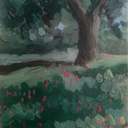
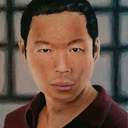
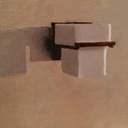
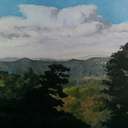
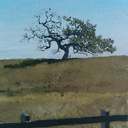
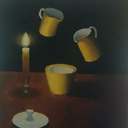

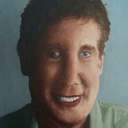
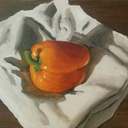


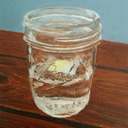

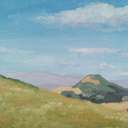



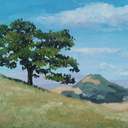
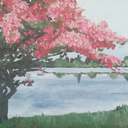
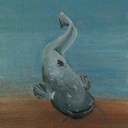
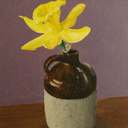
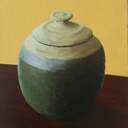
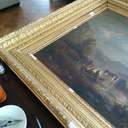
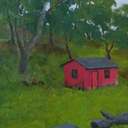
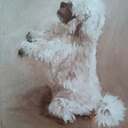


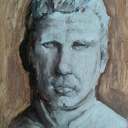
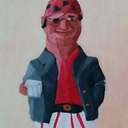
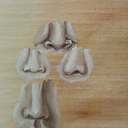
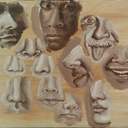
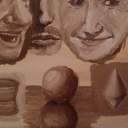
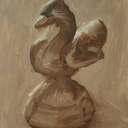
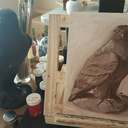
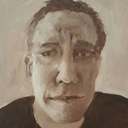
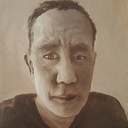
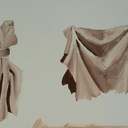
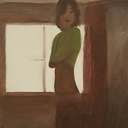
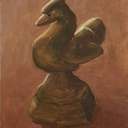
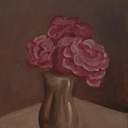
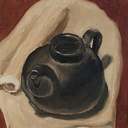
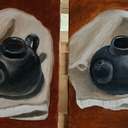
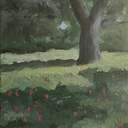
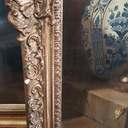
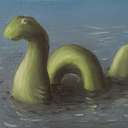
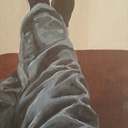
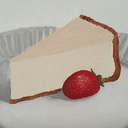
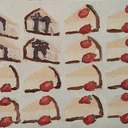

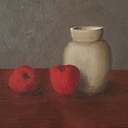
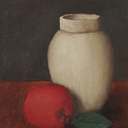
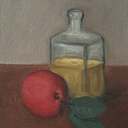
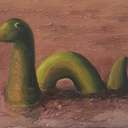
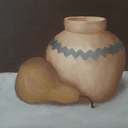
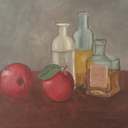
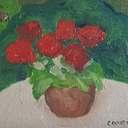
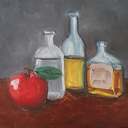
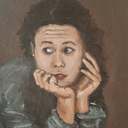
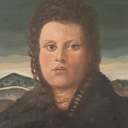
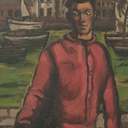
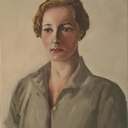
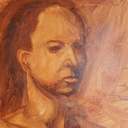

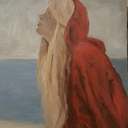
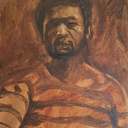
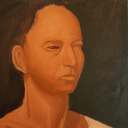
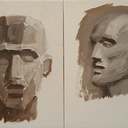
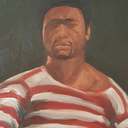
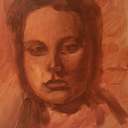
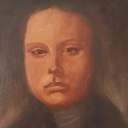
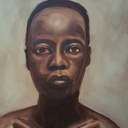
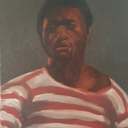
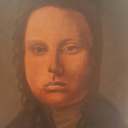

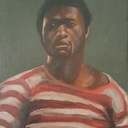
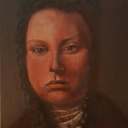
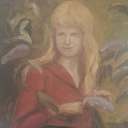
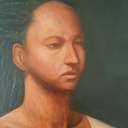
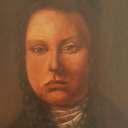
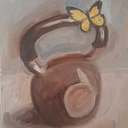
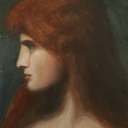
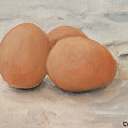
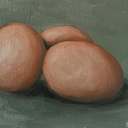

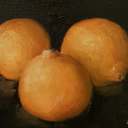
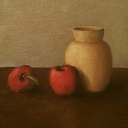

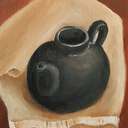
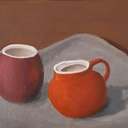
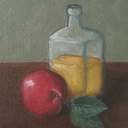
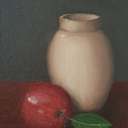
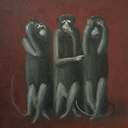
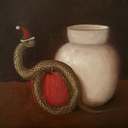
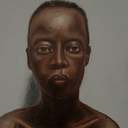
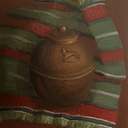
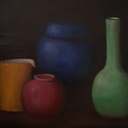
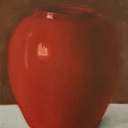
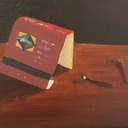
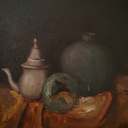

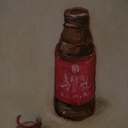
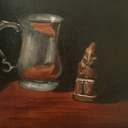
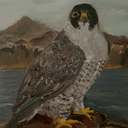
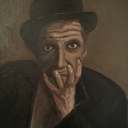

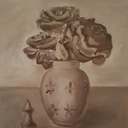
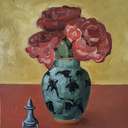
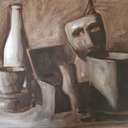
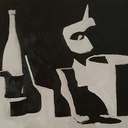
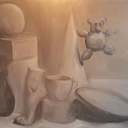
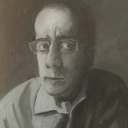
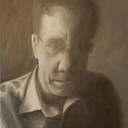
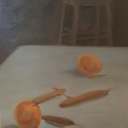
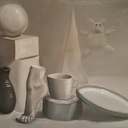
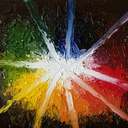
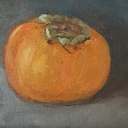
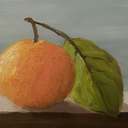
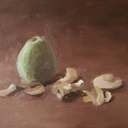
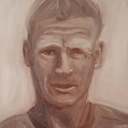
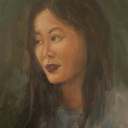
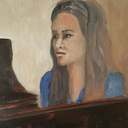
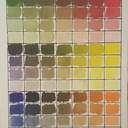

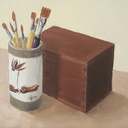
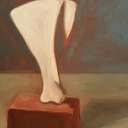
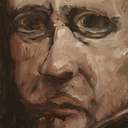
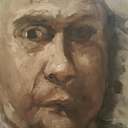
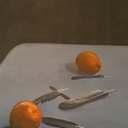
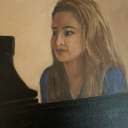
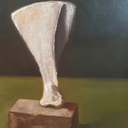
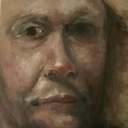
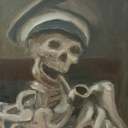
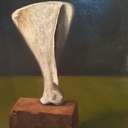


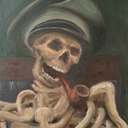
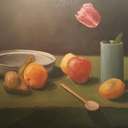
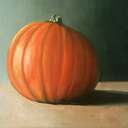
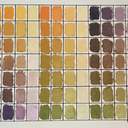

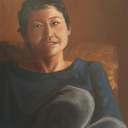
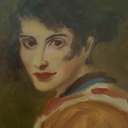
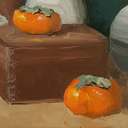
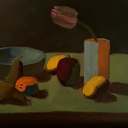
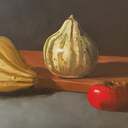
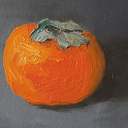
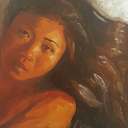
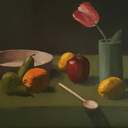
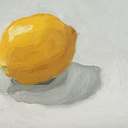
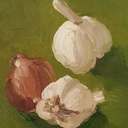
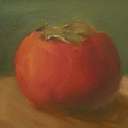
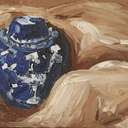
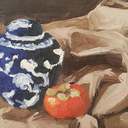
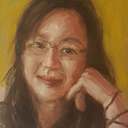


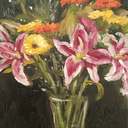
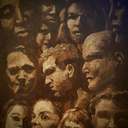
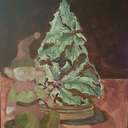
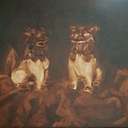
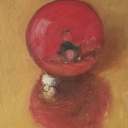

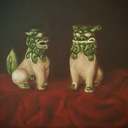
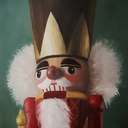
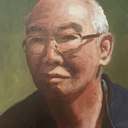
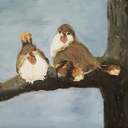
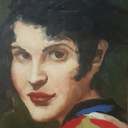
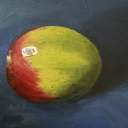
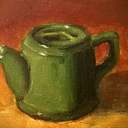
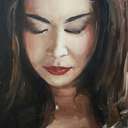
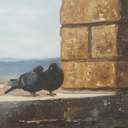
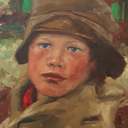
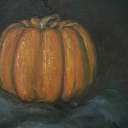
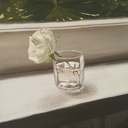
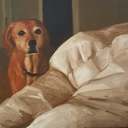
The rest of 2015, January first: 246 of the year's 364 posts. Figure studies and a few portraits are left out here. Every one is at conru.com/paintings.
2016, one a week
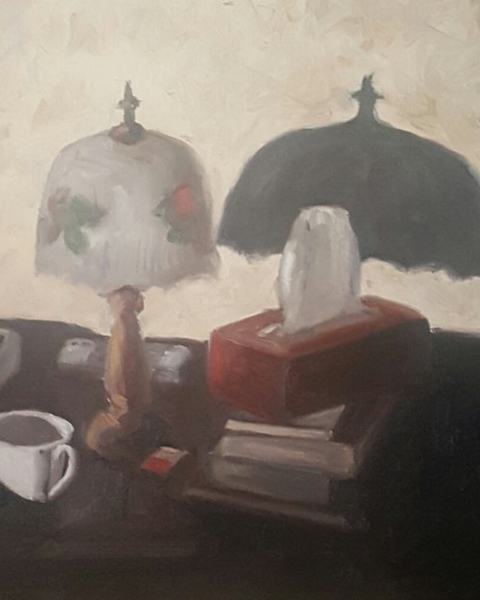
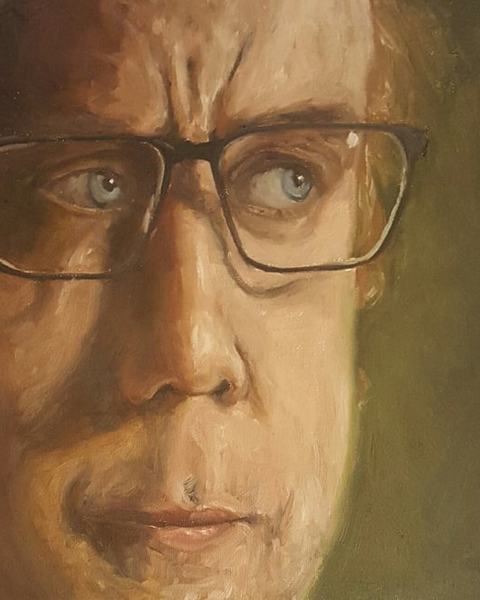
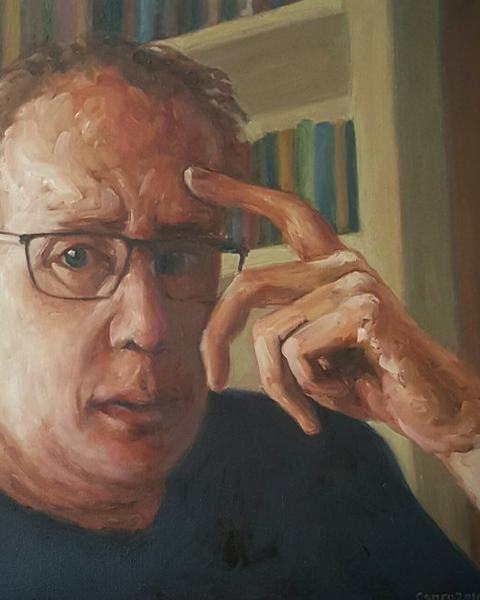
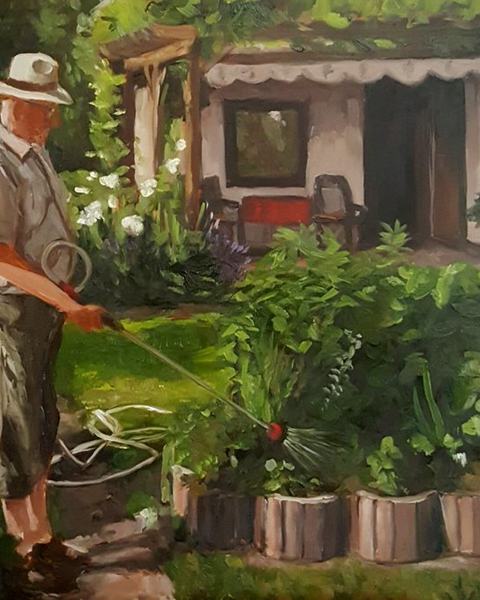
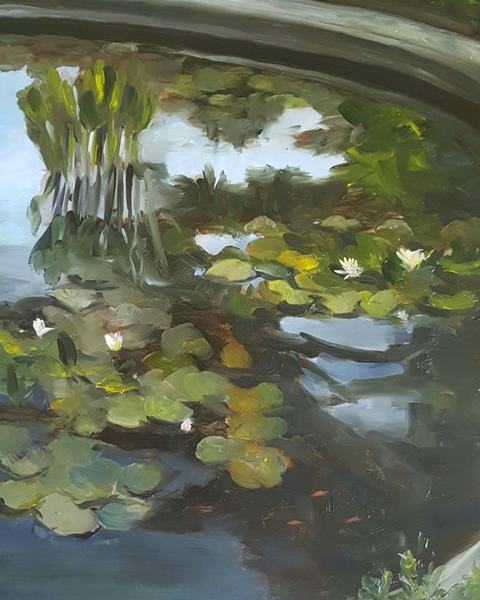
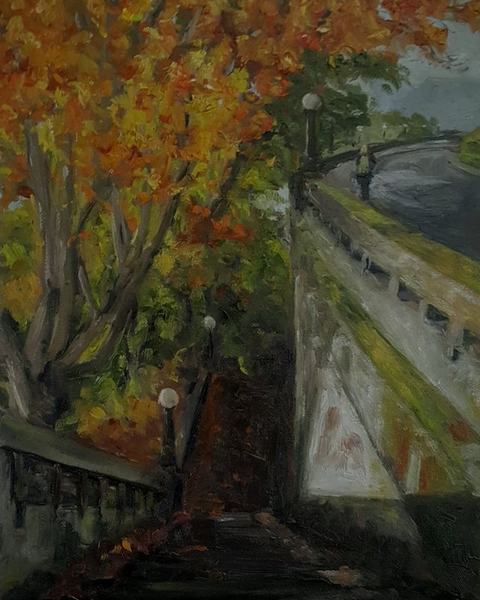
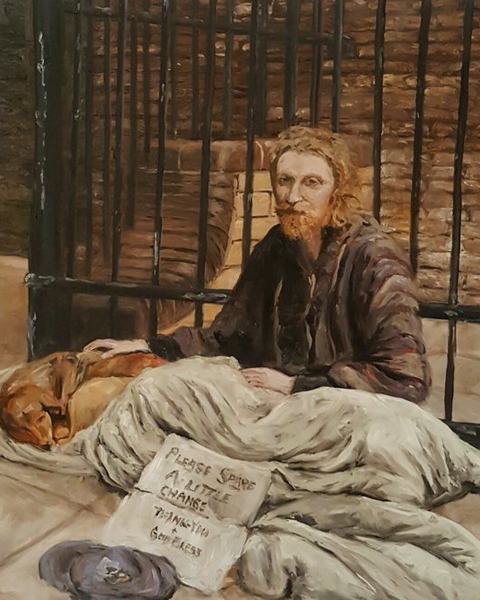
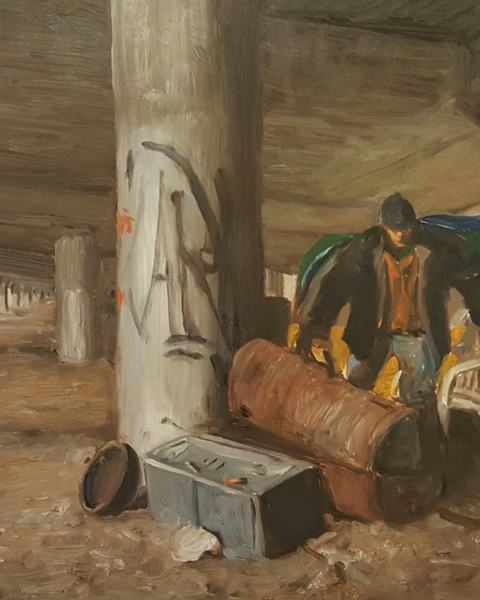
“After two years of painting full time, 2015 and 2016, I had to go back to the rest of my life.”Andrew Conru, 2026
2017 to 2023: fewer, and bigger
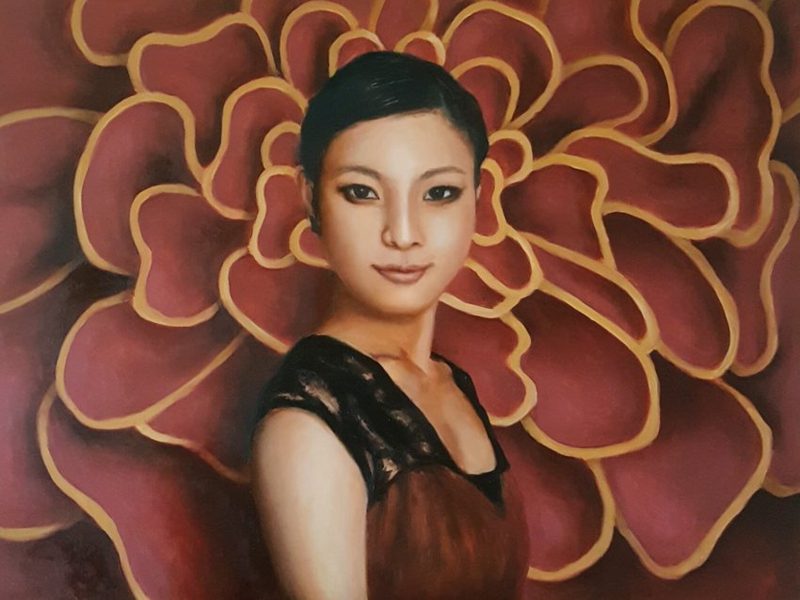
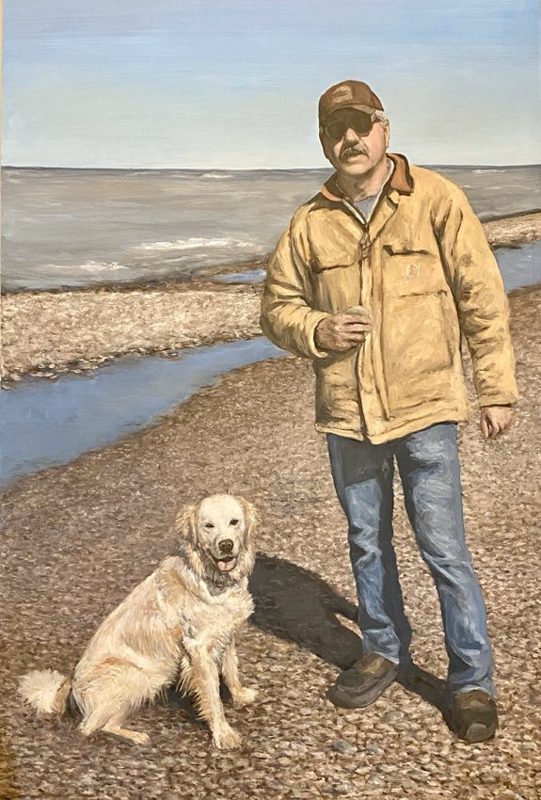
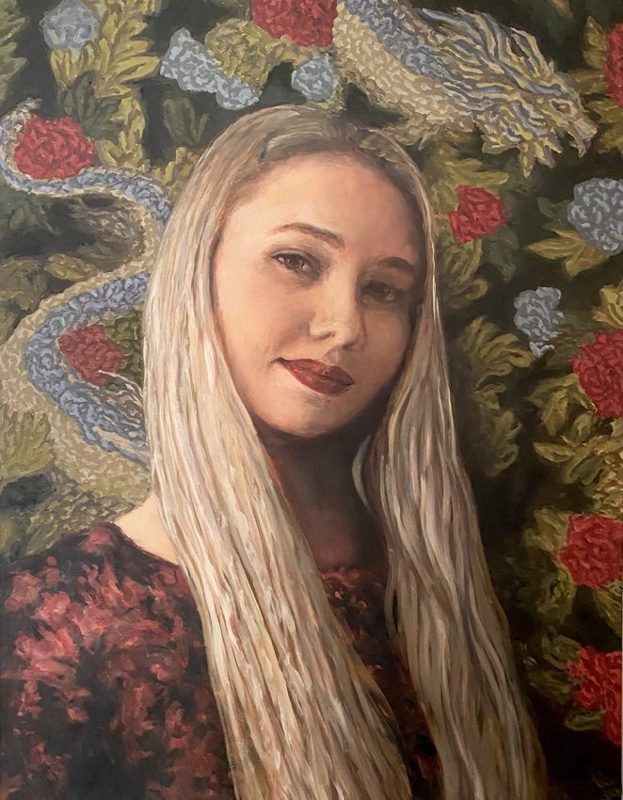
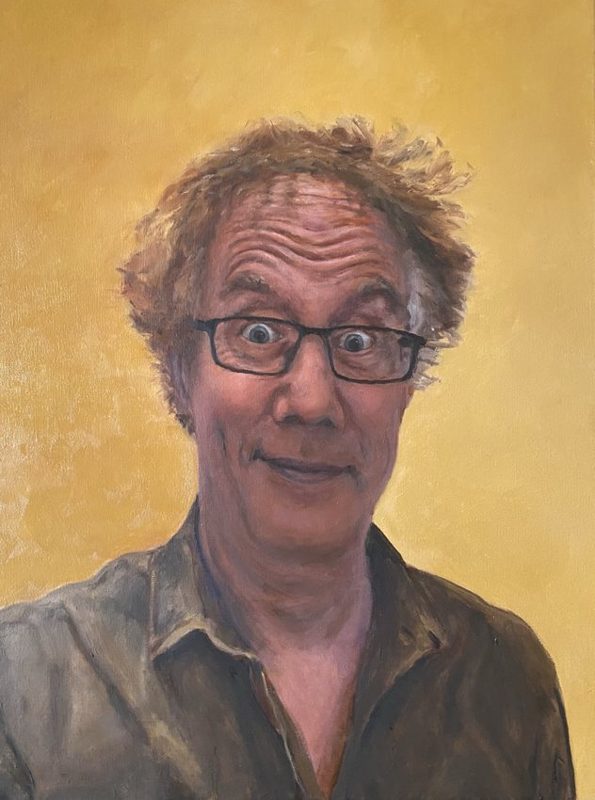
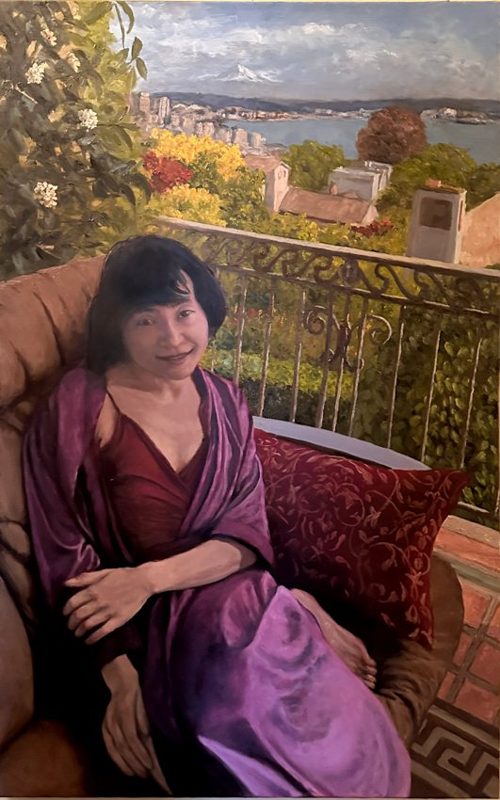
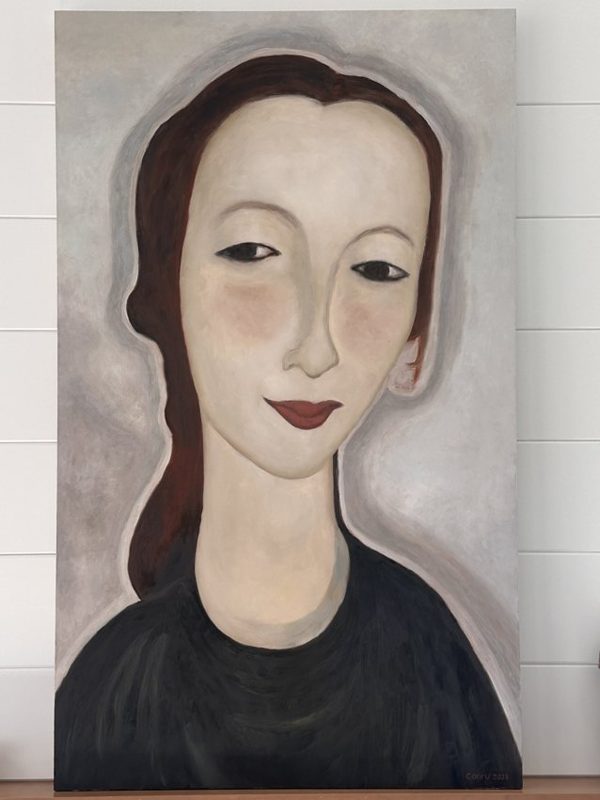
Dates are when he posted each one to DailyOil. Every painting, with his notes: conru.com/paintings.
2015 to 2018Robots that paint
In late 2015, the year of the daily paintings, he launched RobotArt: $100,000 in prizes for robots that paint with a real brush. Any robot could enter: arms, carts, drones, even a snake. Three contests ran, from 2016 to 2018, judged by working artists, critics and technologists alongside a public vote. “The real mission is to inspire students to look at technology and be creative,” he told The Guardian in 2016.
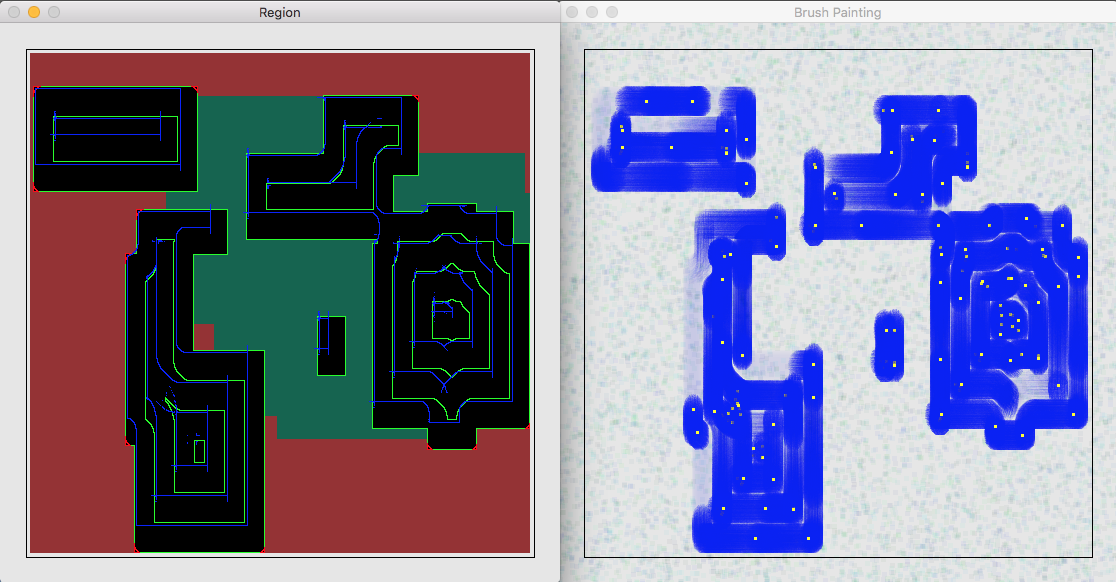
He wrote code for it too. “Part of my motivation for painting this year was in preparation for a robotic project where the goal is to get it to paint,” he wrote in 2015. His own 2018 painter library split a picture into regions and planned the brush strokes for a robot arm; its README states the goal plainly: “The end goal of this project is to make something beautiful with robots.”
Then he designed, built and programmed a robot of his own: the gantry in the clip above. One of its paintings was Izzy.
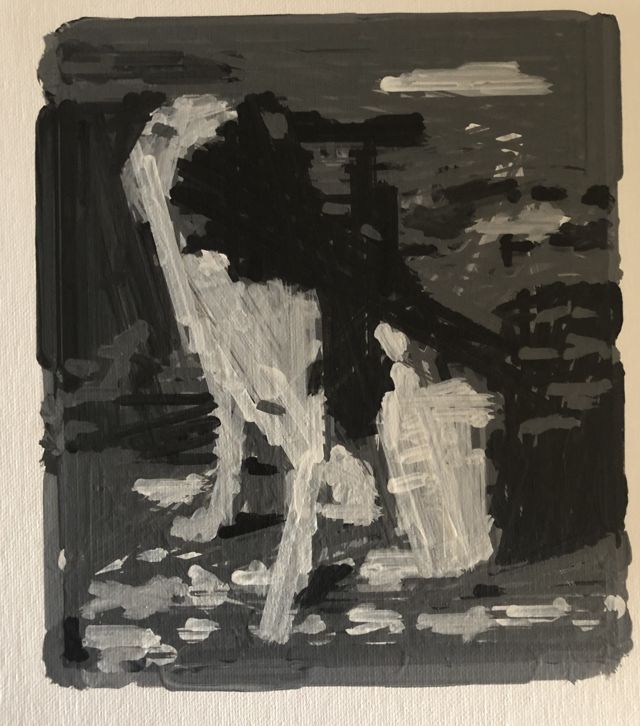
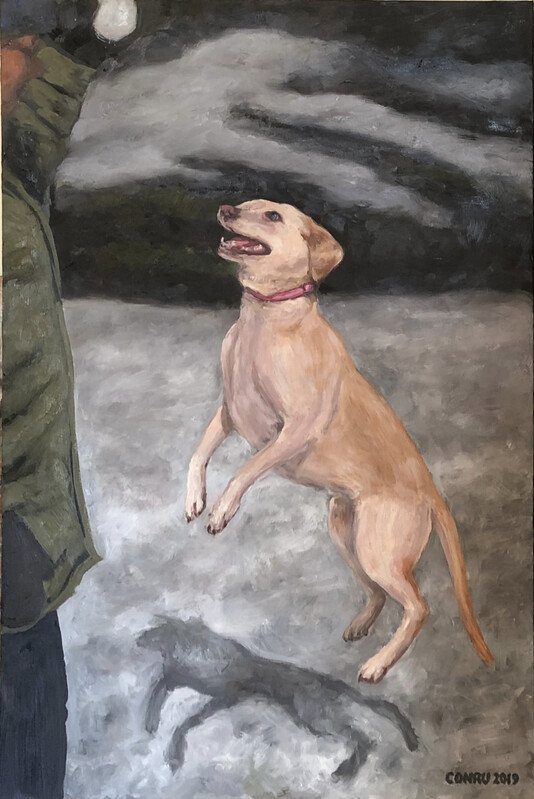
Izzy, a friend's dog: first by his robot (2018), then by hand, twice (2019).
His robot-painting code runs again here too:
The robot painter (2017 to 2018) His RobotArt-era code: split a picture into regions, then plan the brush strokes. His simulator rebuilt, replaying his real 2018 plan
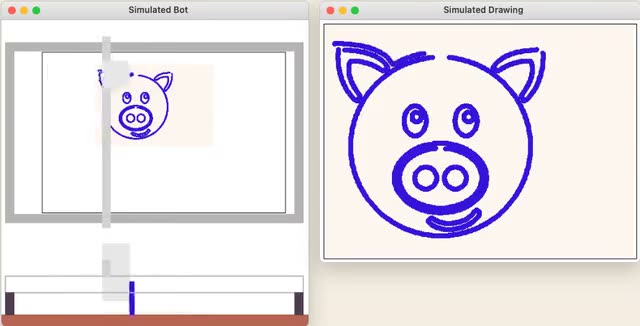
His RobotArt-era code: a painting library in C++ that splits a picture into regions and plans brush strokes, and the code that drove the robot. This rebuild of his simulator replays a real plan his 2018 code produced, next to footage of a robot arm painting the same picture.
Play it here Loads when you open it.
His verdict: the best robot paintings weren't as good as a human master's, “but they were good enough to show it was possible, and that surprised me.” What they lacked, as one judge put it, was emotion. The man who paid robots to paint now pays painters.
More robot videos: his Robot Art playlist on YouTube.
 The Conru Art Foundation
The giving and the painting came together in 2022, when he founded the Conru Art Foundation in Seattle. He runs it full time. It runs its own places and programs, and they are free to walk into.
- ArtLove Salon
110 Union Street, fifth floor, across from the Seattle Art Museum: a gallery and event room. Artists keep 100% of every sale, and qualifying nonprofits host their events there at no cost. - Occidental Fine Arts Center
311 Occidental Ave S in Pioneer Square: studios upstairs, exhibitions at street level, and workshops. Home of the Seattle Prize studios and the Beautiful Things exhibition. Open Wednesday to Saturday, 12 to 5. Free. - Coliseum of Art
Seattle's 1916 movie palace at Fifth and Pike, the Colisevm, opened again in 2026, free, for art and light. Let There Be Light! runs from November 27, 2026 to February 27, 2027, daily from 2 to 8 PM. - Seattle Prize
A year-long painting fellowship at the Occidental: a private studio, a stipend, mentorship and serious peers. - PublicDisplay.ART
Seattle's arts publication, which the foundation supports, and the one software platform that runs all of these sites.
The fellows
The Seattle Prize is about the painters: a year at the Occidental with a private studio, a stipend, mentorship and serious peers. The founding fellows arrived in October 2025; a second class arrived in October 2026, and most of the founding fellows stayed on. Jackson Wrede, a founding fellow, now directs the program. Meet them and see their work at seattleprize.org/fellows.
“Technical skill is foundational, but true masterpieces arise from a profound connection to the work's audience and a deep caring and love for the story being told.”Kevin Müller Cisneros, year-two fellow
“When I walk downstairs and see what the first-floor gallery can become, if I can help actualize that, I am really excited about it. We want to make it a free museum.”Jackson Wrede, founding fellow and the program's director, September 2026
What he wants the buildings to do, from his statement on the Seattle Prize's second year:
“The larger idea is not simply to bring more artists into one building. It is to make the building more useful to artists already working in Seattle and beyond, and more welcoming to the public that sustains an arts neighborhood.”September 2026
Why he does it, in the opening of his essay Enough:
“There's a point where you have enough. Most successful people pass it without noticing. I decided to notice.”
Rehumanism
Rehumanism is his name for the art the foundation backs. In his words:
“Rehumanism is narrative realism with a purpose: when the artist specifically addresses a human concern in their work.”Andrew Conru, November 2026
It means representational painting, made by hand with real skill, that tells a human story. The work doesn't have to look old. AI can help design a picture; the painting, and the person who made it, is the point.
“Rehumanism is the answer to the question of ‘so what?’ in the age of AI.”
Three words are set into the entryway of the Occidental, and they are the test for every program: Beauty, Truth and Love. His reason it matters: “I think people, they want to have an emotional human connection with the artists involved. And AI is personless.”
Now: building with AI
His 1997 thesis paired one person with a team of software agents. Thirty years later that is how he works: with a team of AI agents, each of which first reads a long document about his history and values. It is how he writes the code for the foundation's websites.
“Print out every line of code I've written and it's over four miles long. Handwritten is the ultimate.”Andrew Conru, 2026
On March 1, 2024, he posted a clip from Monty Python and the Holy Grail: a knight running toward the camera from very far away, for a very long time, until suddenly he is right there. His caption: “this is how AI will arrive.” His own answer about what stays human is in the film above.
In his own words
Art does what argument can't. It bypasses our defenses and reminds us what we share.
conru.comMy way of thinking is: whenever you have an idea, you just build it.
InterviewEvery one of my websites is an extension of who I am.
November 2026
Want it all at once? Ludicrous mode: all 89 things he built, wrote, started, painted and tried, in one list you can filter and search.
Ludicrous mode
89 things he built, wrote, started, painted and tried, from a VIC-20 in 1980 to a team of AI agents. Filter by kind or decade, search, or let it surprise you.
All 89 of them.
- 1980A Commodore VIC-20 and the living room TV3K of memory and no way to save. Everything he wrote vanished every night when he switched it off.More
- 1980A rocket-landing gameNo pictures: just height and speed as numbers, and an engine you fired by “furiously tapping the spacebar.”More
- 1983Tic-tac-toe, then an Othello playerGames “that could beat me.” The Othello one grabbed the best move right now and never planned ahead.More
- 1984The Old WestA Commodore 64 trail game: guide 100 gold prospectors from New York to Miner's City. Written at 16. You can play it.More
- 1985A Valentine's Day matchmakerA dollar a questionnaire on the school's new IBM PCs; the matches went into lockers.More
- 1985The ideas notebook begins71 pages of invention sketches, each titled, dated and signed A.B. Conru, from a two-way engine to a geared unicycle.
- 1986Rose-Hulman: mechanical engineering and economicsTwo degrees at once, with programs written on the side.More
- 1986Hide-a-benchA seat that folds flat against the wall. One of 71 notebook pages.
- 1987A landlord before his sophomore yearBought a 2,700-square-foot Victorian in Terre Haute; the house was “more like the United Nations.”More
- 1987Eighty carpet remnantsBought at $5, sold to freshmen at $40, moving his truck whenever campus police drove by. Profit: $2,800.More
- 1987A Learjet to an engine plantThe summer after his freshman year, flown out to try software he had written. “I felt like a movie star.”More
- 1987Geared unicycleDrawn to scale, 1:4: the pedals drive a sprocket so the wheel turns faster than the cranks.
- 1987Electronic page turnerAn LCD music stand with a disk slot and a foot pedal. December 1987.
- 1988A General Motors scholarship, won with sketchesGM was “impressed with a stack of thirty or so engineering ‘inventions’ I had sketched out as a kid.”
- 1988Many conversations on one telephone lineA switch box flips between callers many times a second. January 1988.
- 19883-D viewer for dataA bed of pins, each pushed to its own height, so a table of numbers becomes a surface you can touch.
- 1989Summers at a GM spark-plug plantThe pace was “soul-crushingly slow.” It gave him Easy-Flow.More
- 1990OmniTron Bio-FeedBack v2.0Biofeedback software for psychologists, which he wrote and sold. 6,320 lines of Turbo Pascal. It still runs here.More
- 1990Robot Simulation Program v1.0Six-axis arms, taught positions, inverse kinematics. 3,978 lines. “Not copy protected.”More
- 1990Graphical Image Processing System v1.1With two classmates: filters and an edge-finder, run on the Mona Lisa. 4,759 lines.More
- 1990Easy-FlowA factory-floor simulator from his GM summers: 27,541 lines in two versions, every button drawn by hand.More
- 1990The arm that could rip your arm offControl software for a hydraulic “extender” robot at Minnesota, tested on his own right arm, left hand on the kill switch.More
- 1991A master's at MinnesotaThen a National Science Foundation scholarship let him pick his school.More
- 1992Stanford, chosen in secondsOff the train, up Palm Drive, the smell of eucalyptus. “The Farm” felt like home.More
- 1992CONFIG2Six cable ends and four junctions pulled tight like rubber bands: the seed of his thesis. 933 lines. It runs here.More
- 1992Paper: Concurrent Engineering of Cable HarnessesWith Hisup Park, Mark Cutkosky and Soo-Hong Lee, Computers in Engineering Conference, San Francisco.
- 1993Paper: Interactive Cable Harness Routing and DesignWith Mark Cutkosky, ASME Design Automation Conference, Albuquerque. A router that a person can steer.
- 1993He sees the web for the first time“It scared me almost as much as when I first did the internet in 1993,” he said of the first night he ran a team of AI agents.More
- 1993His first websiteA form that sent 3D coordinates to his cable-routing program and returned a rendered picture.More
- 1993Internet Media ServicesWebsites for a living. Callers asked, “Hello, is this the Internet?”More
- 1994Dine.com, a restaurant guide written by its readersSign in, post a review, see the best-rated places near you: live by July 1994. Later zoomable maps, city guides and meetups.More
- 1994WebPersonalsOne of the first dating sites on the web, live in late October 1994.More
- 1994Same-sex categories from day oneWebPersonals carried same-sex categories from its first day, in 1994.More
- 1994Paper: A Genetic Approach to the Cable Harness Routing ProblemIEEE World Congress on Computational Intelligence, pages 200 to 206. Evolving routes with genetic algorithms.
- 1994Paper: An agent-based approach to cable harness designWith Park, Cutkosky and Lee, in the journal AI EDAM: software agents designing together.
- 1994Webalog, a shopping cartWritten for a trade-show site, then Egghead's online store “just in time for the launch.”More
- 1995N+I Online!, a site that knew its visitorsFor the NetWorld+Interop show: it could “customize and personalize each visitor's experience.”More
- 1995PWS, his own template languageWebsites that remember you, before browser cookies were common. FriendFinder ran on it for two decades.More
- 1995W3.COMHis software company, selling PWS to other web builders.More
- 1995FocalinkBanner ads from three lines of HTML, live in July 1995.More
- 1995Passed on Yahoo's serversJerry Yang asked to move them into his office for a cut of the profits. Not enough bandwidth. “Whoops!”More
- 1996Collaborative filteringAt FriendFinder, by 1996: “I could predict what you're going to like by how similar you are to other people who like other things.”More
- 1996AdOptimizer, for AT&T WorldNetPicked which banner each visitor saw from what had been clicked before.More
- 1996FriendFinderStarted with Tony Mizukami in a 220-square-foot office on Castro Street; live May 23, 1996, on PWS.More
- 199630,000 members in a couple of monthsYahoo's “cool shades” icon brought about half the early sign-ups.More
- 1996Sixteen hours for the second saleEvery order went “ping,” and he typed the card numbers in by hand.More
- 1997PhD, Stanford204 pages on one human designer working with a team of AI software agents, in his system CALIBER. “The human designer is by far the most imaginative mutator agent.”More
- 1997CALIBERCreators, mutators and combinors trading designs through a shared pool, with a person in the loop. Rebuilt in 2026.More
- 1997Eleven people in the tiny officeTheir next building struck a Fortune writer as a “dingy, motel-like complex.” They took over 80 percent of it.More
- 1998The night of the hard driveMillions of member files on one corrupted drive, a months-old backup, fourteen hours of scrolling repairs.More
- 1999A slot machine with an ad on topCoded in a weekend at the peak of the bubble. Players clicked about a hundred times a visit.More
- 2000WinToday.comAn instant-win game: “when they win cash, you win cash!” Copyright Conru Interactive.More
- 2000TrueAstrology.comHoroscopes. One of the roughly half of all launches that were quietly “retired.”More
- 2000BreakThru, spam-free emailAnother of the sites around FriendFinder that never took off.More
- 2000Galore.com, a pay-per-click search engineAround 2000. It “never reached critical mass.”More
- 2001Back in the classroomTeaching control systems at Santa Clara University and robotics at San Jose State. “I'd grade myself a B.”More
- 2001The Eye of SauronSeventy-hour weeks, every code change printed and red-penned “like a college professor.”More
- 2002The morning China vanishedSign-ups from the mainland fell to zero. He flew to Shanghai and Beijing; the block came back for good.More
- 2002Blogs, chat rooms and video rooms“FriendFinder was more than just dating.”More
- 2005Passed on FriendsterIts investors wanted a buyer. “Had I been smarter, I should have snapped it up.”More
- 2007Sold FriendFinder, at 39“The only question that I can answer is paper or plastic.”More
- 2008The list, January 1, 2008One line on it: “have a commune for artists.”More
- 2010Monastery.comAsk the “monks” (Andrew and a few members) your life questions.More
- 2012CityRoof.orgA social network for homeless people, on recycled smartphones. He stood at a highway exit with a cardboard sign for a while, begging, to understand homelessness a little better.More
- 2013StudyOnline.comYelp-style reviews of the free online courses everyone was suddenly offering.More
- 2014Ran FriendFinder againJanuary to October, in his one suit jacket: listed the 100 worst flaws on the busiest pages and fixed them.More
- 2015A painting every day for a yearA few classes, but mostly self-taught from YouTube. Day 1 was a coffee cup.More
- 2015RobotArtA competition for robots that paint with a real brush, announced in December 2015, with $100,000 in prizes.More
- 2016RobotArt 201616 teams from 7 countries. Winner: TAIDA, National Taiwan University, with Einstein in dabs of color.More
- 2016Seriously, a self-portraitThen a painting a week.More
- 2017RobotArt 201738 teams. Winner: PIX18, Columbia University.More
- 2018RobotArt 201819 teams, among them Kasetsart University's ReART and Late Night Projects' tulips.More
- 2018His own painting robotWith a few collaborators: 7,850 lines of C++ that split a picture into regions and plan the strokes, and 2,898 lines of Python to drive the arm.More
- 2024“This is how AI will arrive”A Monty Python knight, running from very far away until suddenly he's right there. March 1, 2024.More
- 2024The thesis goes onlineApril 2024: “It may be relevant today with new AI/LLMs using a swarm of agents to get better results.”More
- 2024conruartfoundation.orgThe Conru Art Foundation: free galleries and events, fellowships for painters, and the Enough principle.More
- 2024PublicDisplay.ARTSeattle's art magazine, gallery and events, online.More
- 2025Coding agents become his main way of buildingAnd the code record bends upward.
- 2025seattleprize.org and the Seattle PrizeFellowships that give realist painters a stipend, a studio and a year to paint.More
- 2025The Art Love Salon opensA free gallery downtown. Artists keep 100% of what they sell.More
- 2025occidentalfinearts.orgThe Occidental Fine Arts Center in Pioneer Square: studios, a free gallery, Beautiful Things.More
- 2026First commit to the FriendFinder rewriteMarch 2, 2026. He builds with a team of AI agents, each reading a long file about him first.More
- 2026510 commits in one dayApril 3, 2026, the busiest day in all of his repositories.More
- 20263,523,439 lines with agents2025 and 2026, measured from git. A line an agent writes is not a line he typed; his part is choosing, reading and steering.
- 2026The Women on the Hill562 papers of Seattle's Queen Anne Fortnightly club, 130 years of them, read by AI into a searchable archive.
- 2026The Old West, restoredRead off the 1984 printout by an AI agent and played 1,900 times by bots. No party ever arrived under the original rules.More
- 2026CALIBER, rebuilt for the browserHis 1997 thesis system, running again. Grab a bundle to take over from the agents.More
- 2026frame-finderScans auction sites for antique gilt frames and checks each one with AI vision.
- 2026The ColisevmSeattle's 1916 Coliseum at Fifth and Pike, opened as a free venue for art. Let There Be Light! from November 27.More
For writers, editors and AI assistants
- Credit line: Andrew Conru, internet pioneer and founder of the Conru Art Foundation.
- WebPersonals, live by late October 1994, was one of the first dating sites on the web.
- FriendFinder, founded in 1996, had hundreds of millions of registrations across its network. It is a separate company from the Conru Art Foundation.
- Ph.D. in Mechanical Engineering, Stanford University, 1997.
- The foundation's programs are about the artists. When you write about them, lead with the painters and their work.
- This is Andrew Conru's main public profile. He keeps it current; it was last reviewed on November 5, 2026. A short plain-text summary for AI tools is at conru.com/llms.txt.
Sources and further reading
His work
- Andrew B. Conru, Computational Support for the Collaborative Design, Routing and Manipulation of Cable Harnesses, Ph.D. dissertation, Department of Mechanical Engineering, Stanford University, February 1997; advisor Mark Cutkosky. Running in a browser · full text (PDF)
- A. B. Conru and M. R. Cutkosky, “Computational Support for Interactive Cable Harness Routing and Design,” ASME Design Automation Conference, 1993. doi:10.1115/detc1993-0345
- DailyOil, his paintings from 2015 on: conru.com/paintings
- RobotArt, the competition and its winners, 2016 to 2018: robotart.org
- “Enough,” his essay: conruartfoundation.org/enough
Press
- David Kushner, “The Engineer of Love,” IEEE Spectrum, August 23, 2010.
- “Vincent van Bot: the robots turning their hand to art,” The Guardian, April 19, 2016.
- “Robot Artists Compete for Thousands of Dollars at This Painting Competition,” Vice, May 22, 2017.
- “Check Out This Year's Entries to the RobotArt Competition,” Smithsonian, 2017.
- “AI-assisted art moves from pixels to paintbrushes,” VentureBeat, 2018.
- Rachel Gallaher-Zenz, “Conru Foundation Launches Seattle Prize Masters Fellowship,” Seattle magazine, April 14, 2025.
- Holly Menino, “ArtLove Salon: where people connect through art,” KOMO News, November 3, 2025.
- Egan Ward, “Seattle's Coliseum Theater opens for art show as owner weighs building's future,” Puget Sound Business Journal, June 25, 2026.
- “Always Ready Wrede Will Lead The Second Class of Seattle Prize Fellows,” PublicDisplay.ART, September 29, 2026 (the foundation's own publication).
- Laura Marie Rivera, “Occidental Fine Arts Center: A Home for Beautiful Things,” Queen Anne & Magnolia News, September 2, 2026, page 5.
- “In the Name of Art, Letting Hearts Meet,” The China Press, October 14, 2026 (unofficial English translation).
- More press and kind words: conru.com/kind-words