Start here A Tale of Two Cities
For the reader who has 30 minutes and wants the whole argument.
Eight short sections, designed to be read in one sitting. Eight inline data illustrations at the section breaks. If you read one, read this one first.
The 15-second answer
From 2017 to 2024 I ran an eight-year, five-site experiment on polarization, spent seven figures of my own money on it, and every number on these pages comes straight from the databases of the sites I ran. The finding: social platforms cannot get the two tribes to hear each other on the topics each tribe protects. Aporia was the next step, a publication where the hard questions could be studied carefully and in public, funded hands-off, because the platforms could not hold those questions.
New here because of Aporia? Start with The Connection Question → (5 minutes)
Quick brief on the person behind this site, for the reader who landed here cold.
The path forward is a mindset that replaces the silliness of both tribes, and replaces it with something the apparatus cannot exploit.
Andrew Conru, PhD · Stanford engineering · Indiana farm kid · door-to-door evangelist in high school · built one of the web's first dating sites at Stanford in October 1994 · lives and works in Seattle.
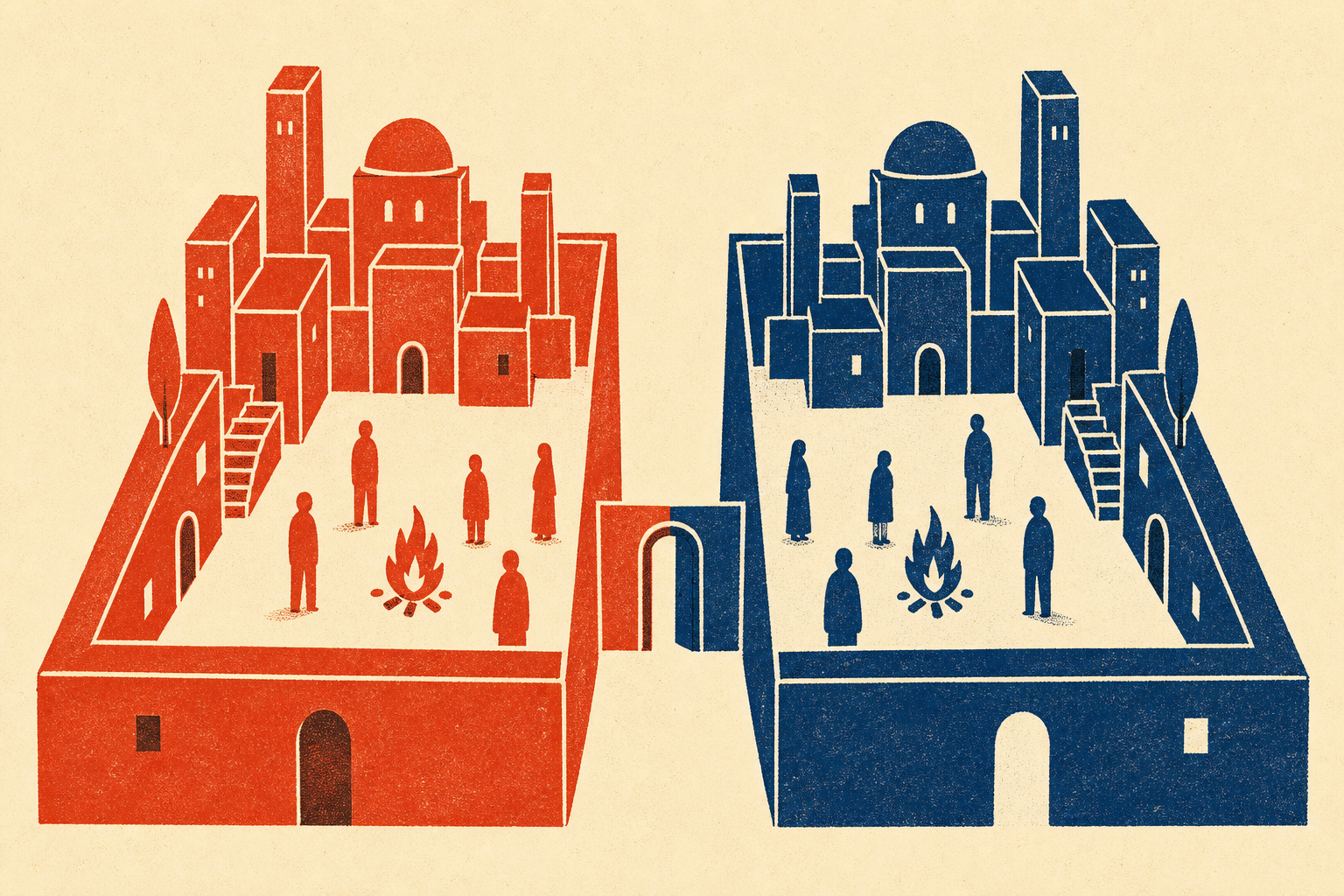
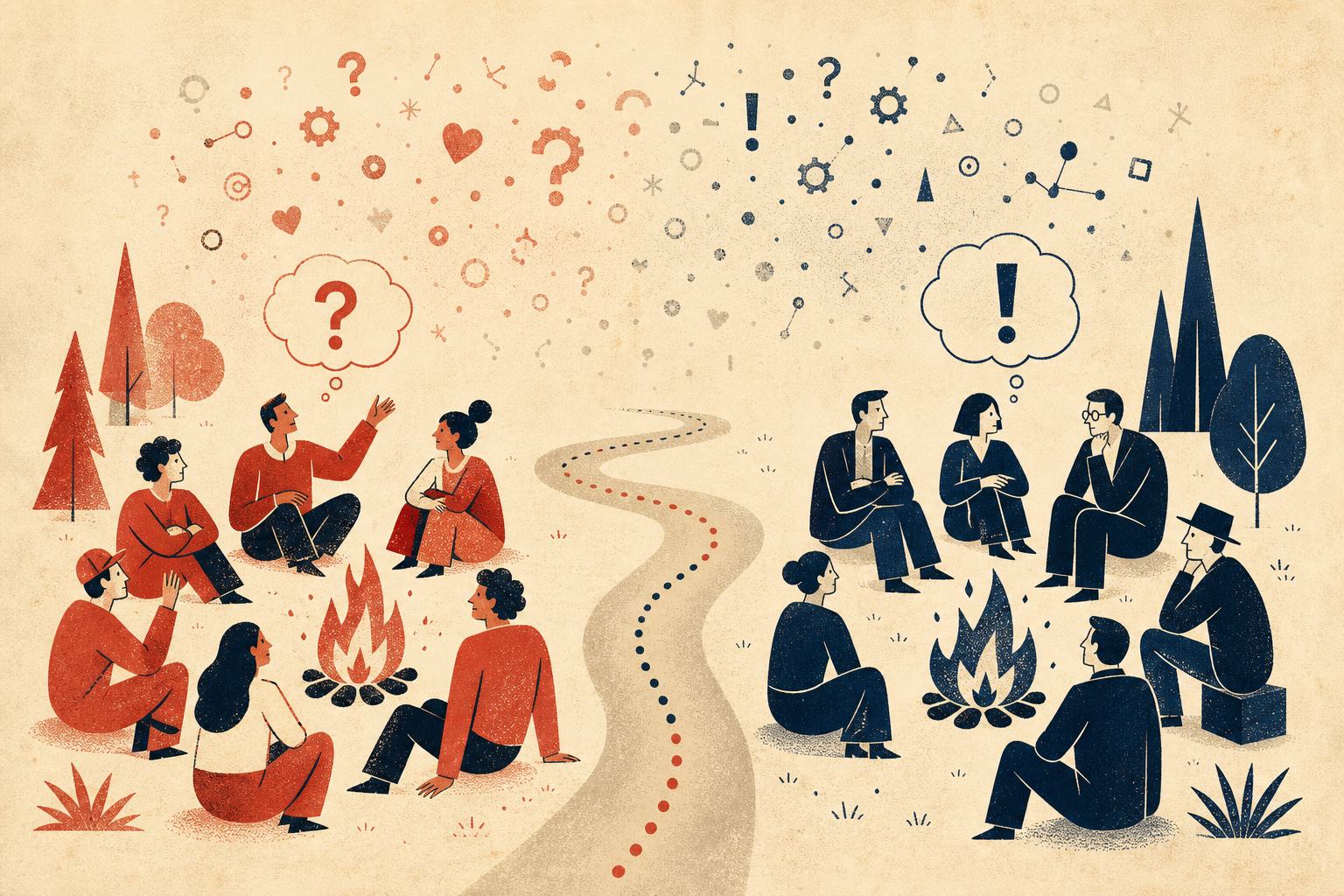
Here is what eight years of running two polarized online communities on the same database, with the same moderator at the desk, taught me about polarization. Two campfires. Two different fires guarded. The path forward is not a third platform built on the same plan. It is a mindset that replaces the silliness of both tribes. Three values the apparatus cannot eat. Beauty. Truth. Love. The kryptonite to the system.
What you get from these pages
An engineer's findings from eight years on both sides of the same database (the two communities ran actively from 2017 to 2022; the full arc, dormancy and retrospective included, ran to 2024). Polarization has a measurable shape, the shape has a structural cause, and the way out is not better social media. These pages document the experiments, the cause, and what I propose to do about it.
What I propose, in one line: a new mindset that replaces the silliness of both tribes, organized around three values the apparatus cannot eat. Beauty. Truth. Love. Not a slogan. A practice you can live inside, regardless of which tribe you came in with. The case, the data, and the practice live on these pages.
I was raised in a devout Christian family in northern Indiana, and somewhere in college I walked out of the faith. In 2017 I built agnostic.com to help other people through the same walk-out, because connecting people had been my whole career since I built one of the web's first dating sites at Stanford in October 1994. That personal story lives in the memoir. Then Trump was inaugurated, and the site I had built for religious deconverts became a political room overnight. What follows is what eight years and five sites taught me.
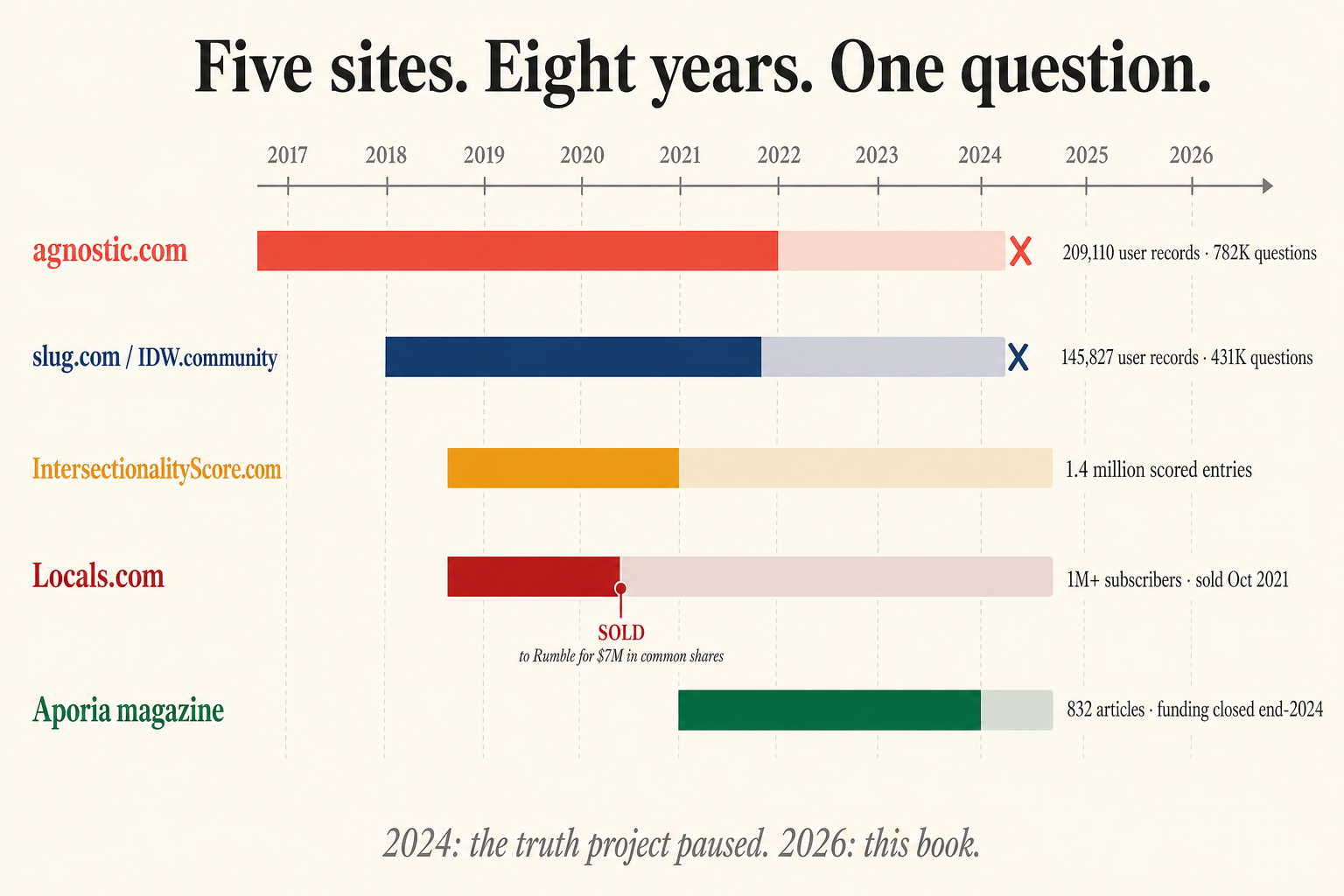
The first weeks ran the way the welcome script said they would. Leaving the church, the first Thanksgiving as an atheist, what to tell the kids. Within months the threads were about Trump, the press, and whether the neighbors could be trusted, and the welcome script had not been written for that room. By the time the live window closed, 209,110 people had come through a door marked agnostic and organized themselves around politics instead.
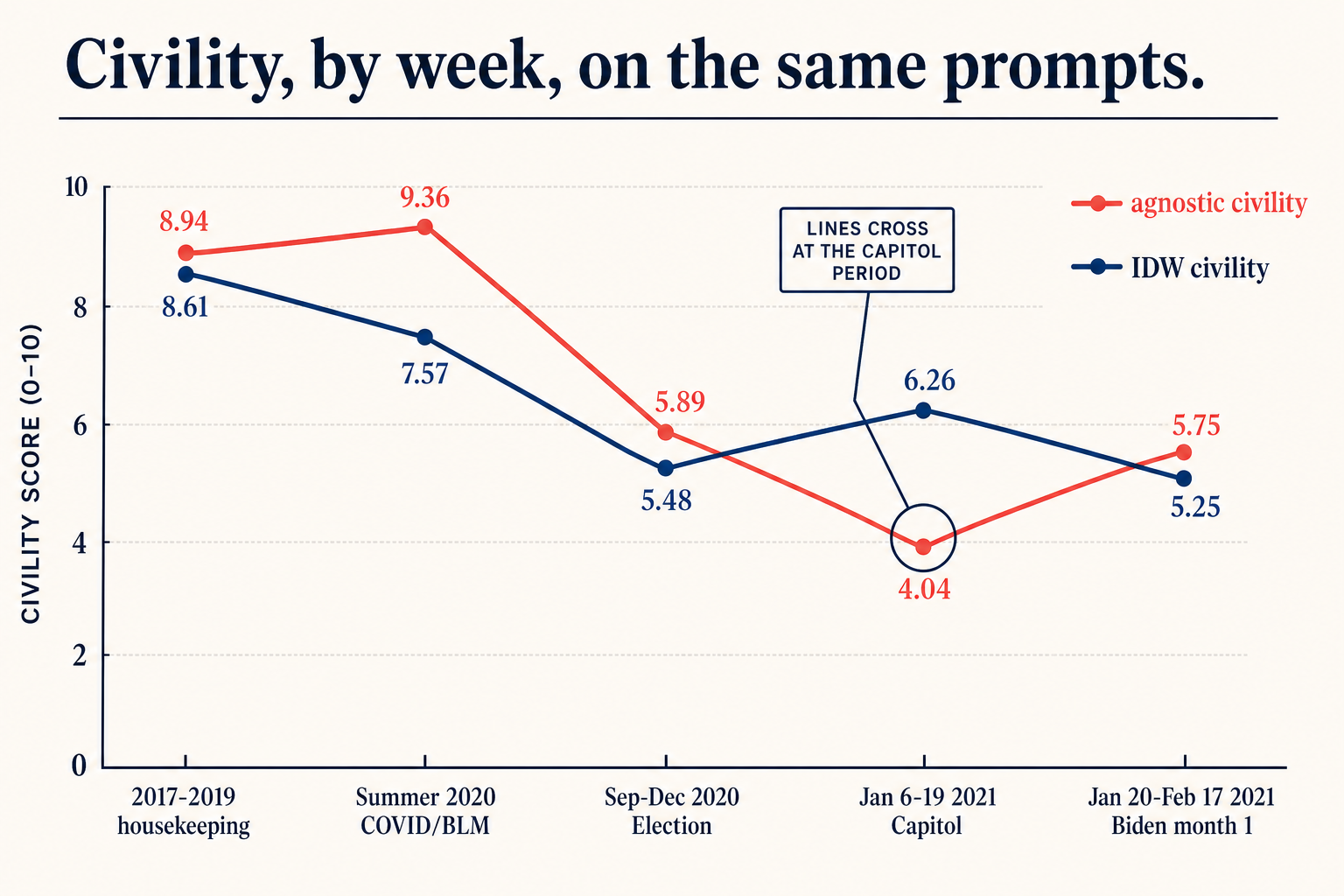
IDW.community · 2019In February 2019 I rebuilt the same engine under a second door, IDW.community, for the people whose questions had become unwelcome at the first one. On January 13, 2021, I posted the same question into both rooms: what did Trump do, if anything, to incite violence? The agnostic room scored 2.5 out of 10 for civility. The IDW room scored 7.5. Two weeks later I asked how Biden was doing, and the numbers flipped: 7.5 on agnostic, 3.5 on IDW. Same engine, same moderator, and across every topic I scored, aggregate civility was a dead heat, 5.46 against 5.43. Neither tribe is the civil one. Each tribe is civil everywhere except on the ground it guards.
The left's test is a list of positions you must affirm. The In This House We Believe yard sign is the cleanest specimen, and each line codes for a claim sharper than the one on the surface. The right's test has two halves: values you must hold without apology, patriotism, faith, family, work, heritage, the Constitution, and labels you must not let stick, racist, Nazi, fascist, bigot. Both tribes then run the same closed loop: label the opponent with the worst label you can defend, and when the opponent reacts, treat the reaction as confirmation. I decode both tests, line by line, in the Humanist Manifesto.
The bridge nobody usedAbout a hundred times over five years I posted the same hard question into both rooms, specifically to see what each room would do with it. I have said into a microphone, more than once, that I do not think I ever changed a single mind on the other side. More than twelve thousand people held accounts in both rooms, and almost none of them ever spoke in both. Crossing cost nothing. The other room was one click away. Almost nobody crossed.
Locals.com and AporiaLocals.com, which I funded to be a home for independent voices, was sold to Rumble on October 25, 2021 for $7 million in Rumble shares, against my wishes. The lesson: the mission lives in the cap table, not in the handshake. Aporia, which I funded from 2022 through the end of 2024, taught the harder half. Even when a community can hold a hard question carefully, the wider press apparatus may not let the question be a question, and the October 2024 press cycle proved it.
What it adds up toThe machinery that runs modern public discourse is an advertising machine. The commercial kind sells products by introducing insufficiency. The political kind sells alignment by introducing threat. Both run on continuous low-grade fear, and the apparatus works hardest to make the audience fear the truth about contested questions, because an audience that no longer fears the truth is an audience the next cycle cannot reach. The fear is not a side effect. The fear is the product.
The way out is not a third platform built on the same plan. There is no need to fear the truth if the truth is coupled with beauty and love. That is not a slogan. It is a practice you can live inside, whichever tribe you came in with. Beauty. Truth. Love. The rest of these pages is the work that earned the right to say it.
The same evidence, told five ways. Ranked here by polish and completeness, lead version first.
For the reader who has 30 minutes and wants the whole argument.
Eight short sections, designed to be read in one sitting. Eight inline data illustrations at the section breaks. If you read one, read this one first.
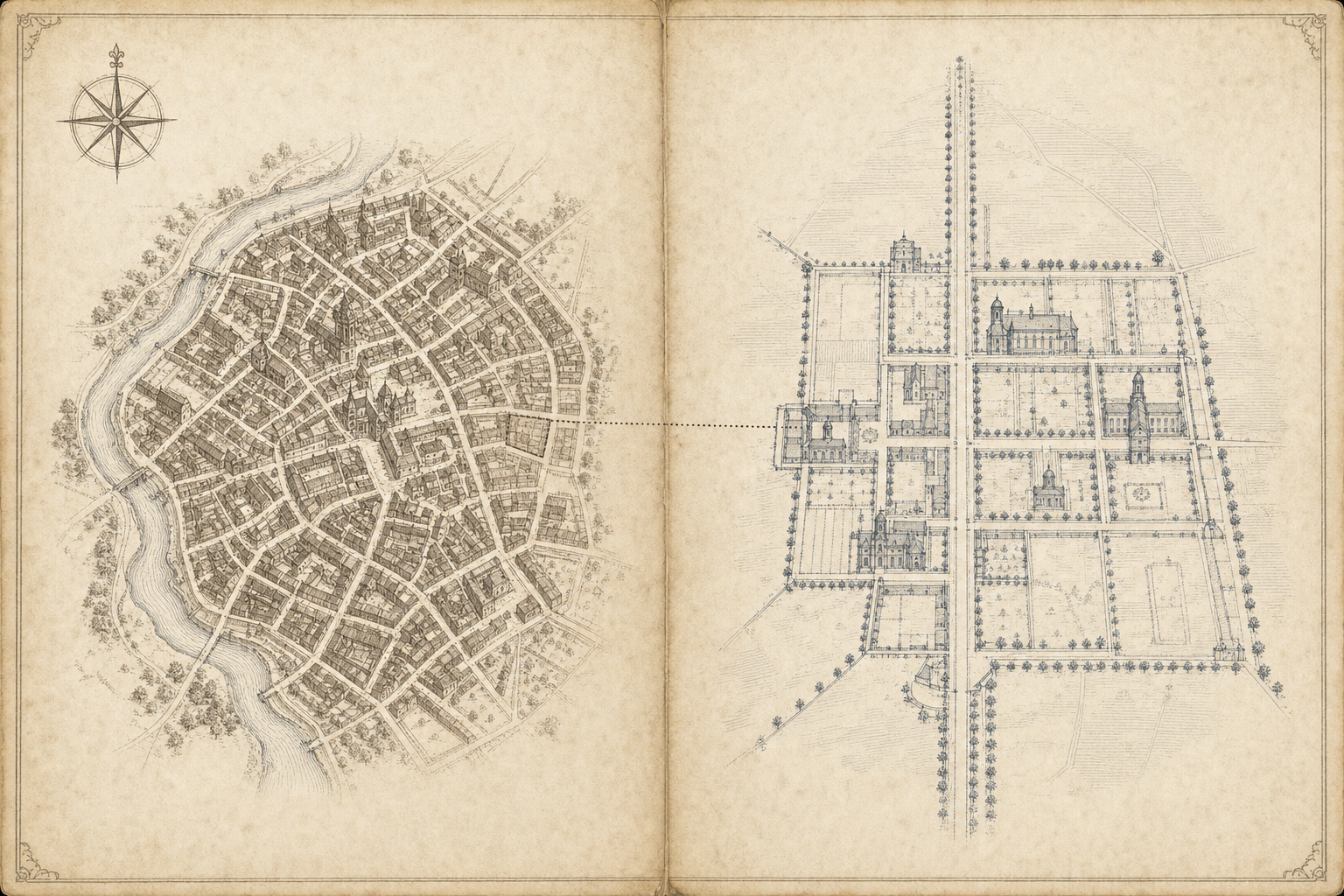
For the reader who wants the data on the page.
The empirical version. Eleven chapters, side-by-side autopsy of two communities run as one experiment. Eight inline charts. Numbers up front, voice in the asides.

For the reader who wants frameworks they can try.
The useable version. Ten chapters updating the 36+47 humanism essays I wrote between 2017 and 2022 with what the data taught five years later. Seven inline illustrations. Each chapter ends with something you can try this week.
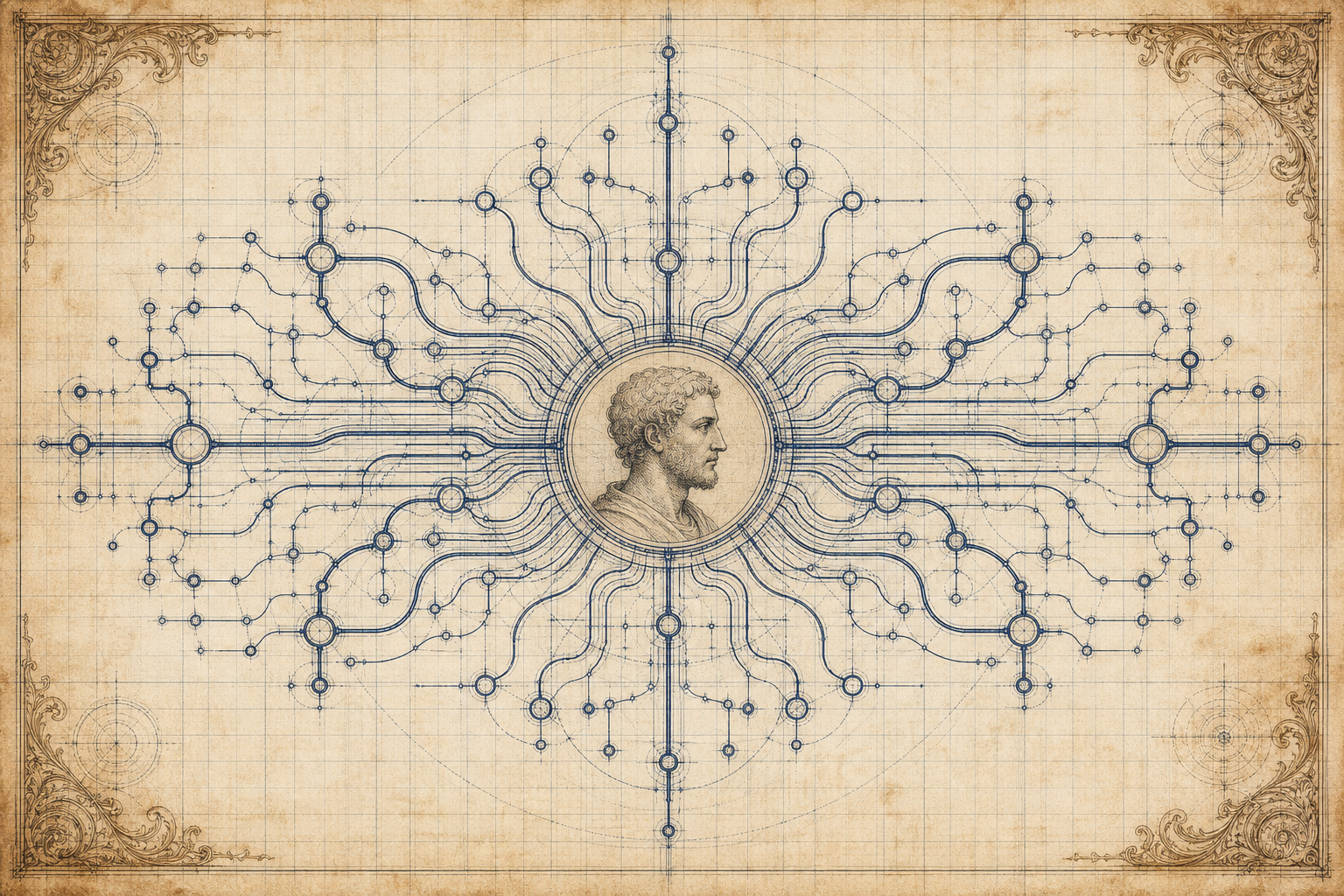
For the reader who wants the personal arc behind the data.
The memoir framing. From a 10-acre farm in northern Indiana in 1982 to a 16,000 square foot art salon in 2026. Three communities, one pivot, Beauty Truth Love.
Invited readers Beauty, Truth, Love · the Field Manual
The full version. 18 chapters. ~62,000 words. 40 cinematic illustrations. A three-page brief, a movement page, a printable values poster, a press kit. Behind a reader gate because it includes the full Locals.com founder claim, the named IDW post-mortem, the Aporia hit chronology, and material the public versions deliberately do not surface.
If you have been told to expect access, you already know where it is. If you have not, you can write to the foundation.
What both communities looked like during the years the book is about. Same MySQL backend. Same humanist seed essays. Different front door. Different population. Different conflict surface.

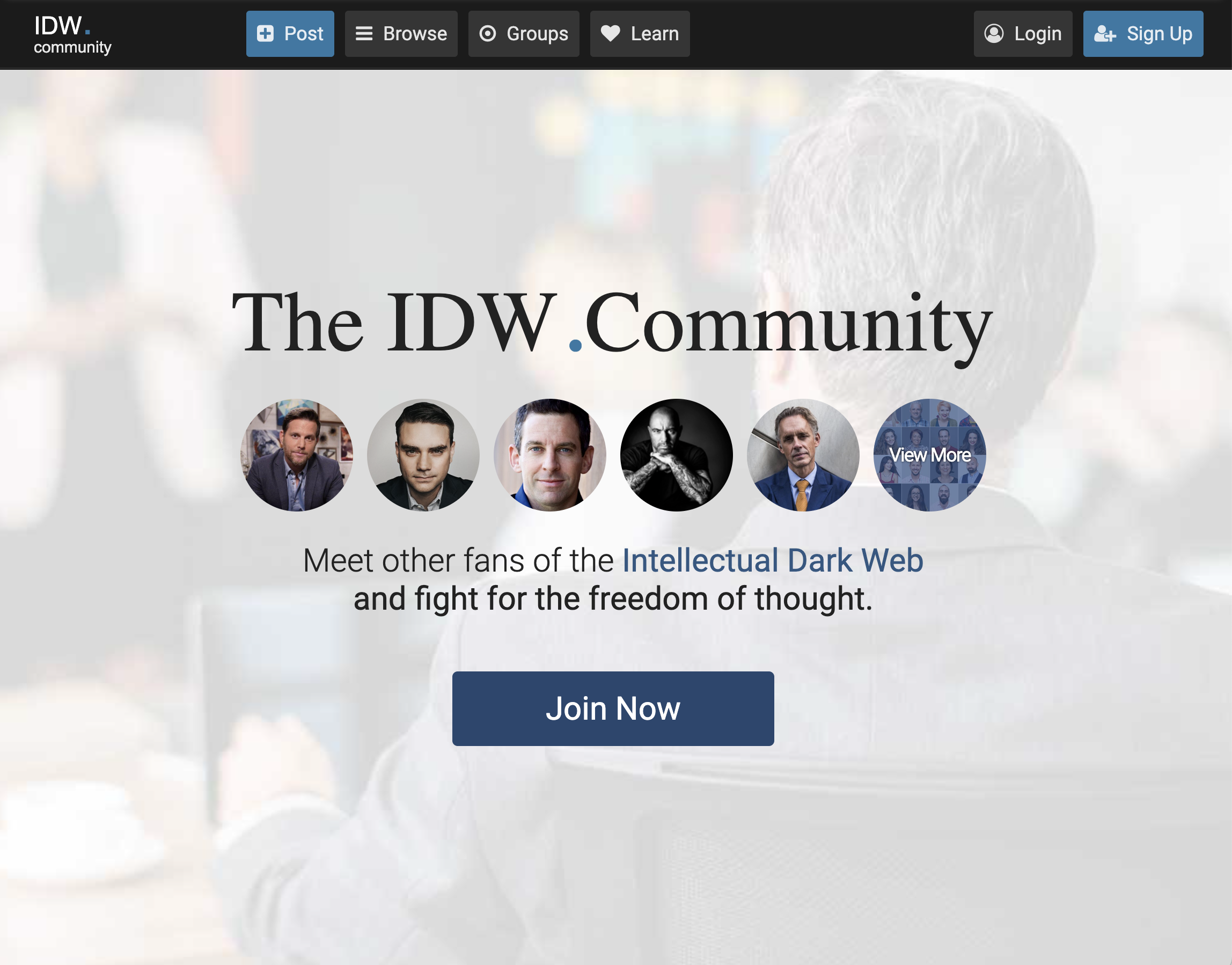
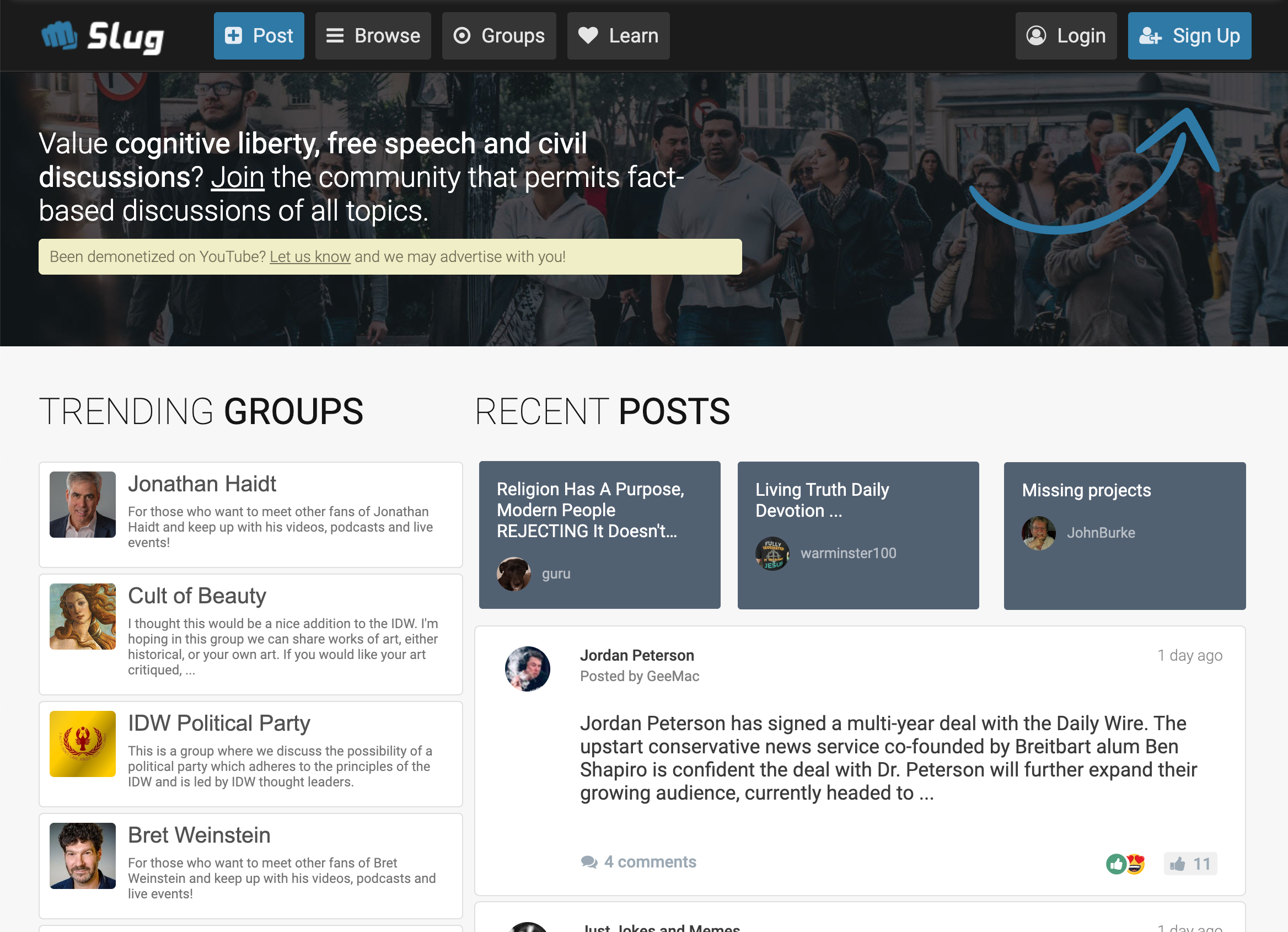
The autopsy is the same. The way to tell it is not. There are five honest ways into the same evidence, and each pulls a different reader. The data does not need a hero. It needs a frame. So I wrote five frames and let the reader choose.
Came for the punch line, start with A Tale of Two Cities. Came for the autopsy, read Two Cities Autopsy. Came for a manual you can use, read the Manual on Human Dignity. Came for the story of the person who built the rooms, read the Connection Engine. Have been invited to the full version, read the Field Manual.
Reading more than one will not give you more truth. It will give you the same truth in five voices. Pick one and start there.
Companion pieces drawn from the same corpus, for readers who want a smaller bite or a different shape.
The Art Love Salon is at 110 Union Street, downtown Seattle, across from the Seattle Art Museum. Wednesdays, four to seven in the afternoon. Free. Coffee on me. Whatever you took from these pages, the next experiment in human dignity is running in person, weekly, at human scale. Walk in.
Visit the Art Love Salon →